
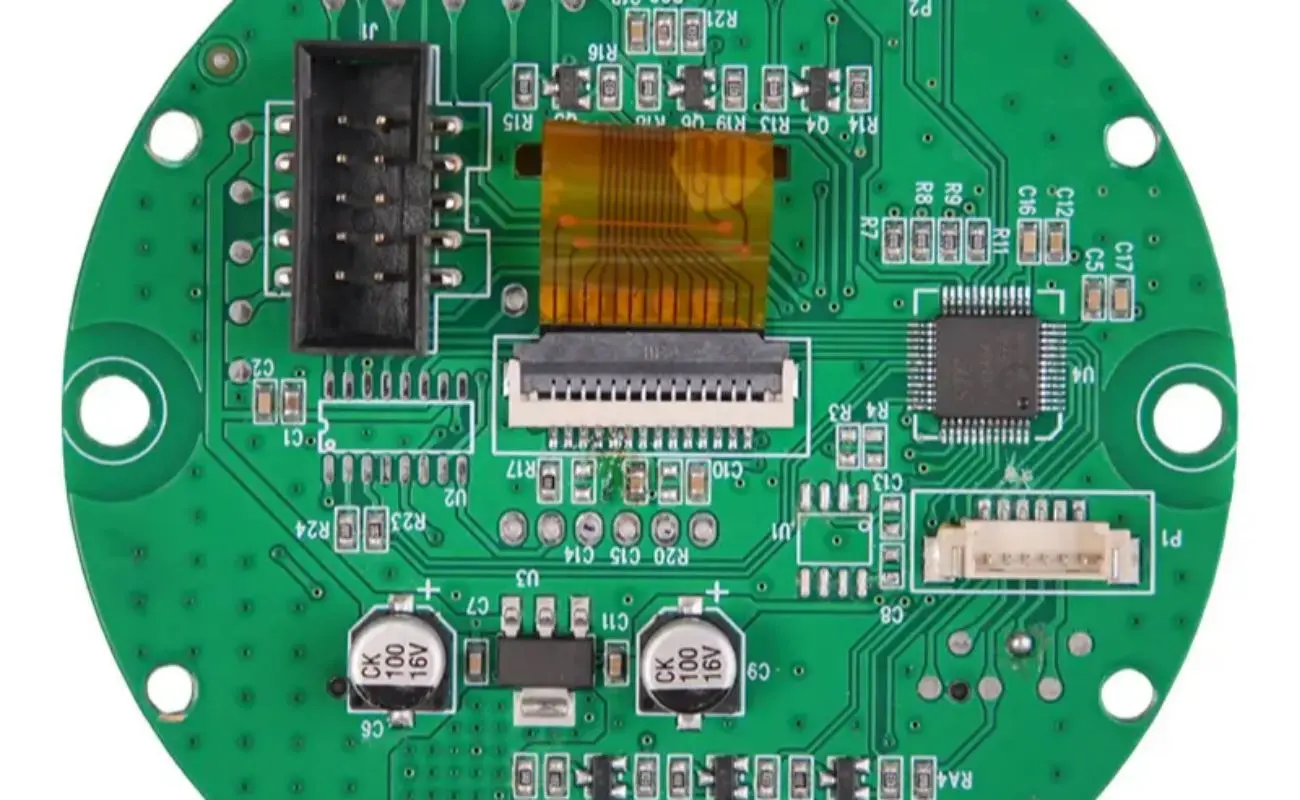
Modern printing systems rely heavily on fast and stable signal transmission to achieve high-speed output. Engineers design printer connectivity PCBA with FPC solutions to improve communication between internal modules and ensure smooth data flow during printing tasks.
Moreover, Fully Hong develops advanced double-sided PCB PCBA solutions that integrate flexible printed circuit (FPC) technology and IC programming functions. This structure supports seamless communication from home printers to industrial-grade machines.
Signal Transmission Efficiency and Printing Speed
In addition, printing speed depends strongly on how quickly data moves between control boards and printing modules. A well-designed printer connectivity pcba with FPC reduces signal delay and improves transmission efficiency. As a result, the printer processes commands faster and executes printing tasks with higher stability. Furthermore, optimized routing on both sides of the PCB helps minimize signal interference, which directly improves speed consistency. Therefore, engineers focus on reducing bottlenecks in data transfer to maintain smooth and continuous printing output.
How FPC Integration Improves System Responsiveness
Moreover, flexible printed circuits (FPCs) play an important role in improving internal connectivity. The integration of FPC within the printhe ter connectivity pcba with fpc allows better flexibility in circuit layout and reduces space limitations. In addition, this structure supports more efficient signal paths between components. As a result, the printer responds faster to input commands and reduces waiting time during high-volume printing tasks. Furthermore, FPC integration helps maintain stable electrical performance even in compact printer designs.
Mechanical Stability and High-Speed Printing Performance
In addition, mechanical stability directly influences printing speed consistency. Fully Hong designs FR4-based PCBs with a 1.6mm thickness to provide strong mechanical support and reliable electrical performance. A high-quality printer connectivity pcba with FPC maintains stable operation even under continuous vibration and thermal stress. Therefore, the system avoids performance drops during long printing cycles. Moreover, a stable structure ensures that signal paths remain consistent, which helps maintain high-speed printing without interruptions.
Double-Sided PCB Design for Efficient Signal Routing
Furthermore, the optimized double-sided architecture improves signal routing efficiency. Engineers design printer connectivity PCBAs with FPC with carefully planned layouts to reduce signal congestion and improve data flow. As a result, the system achieves faster communication between control chips and output modules. In addition, reduced wiring complexity improves reliability and shortens signal travel distance. Therefore, the printer achieves smoother operation and higher overall printing speed.
Environmental Stability and Long-Term Performance
Moreover, printing environments often include heat, vibration, and continuous workload stress. A properly engineered printer connectivity pcba with FPC resists these environmental challenges effectively. Fully Hong ensures that each board maintains stable electrical behavior under demanding conditions. As a result, printing speed remains consistent even during long-term operation. In addition, IC programming integration further enhances system coordination and reduces processing delays.
Conclusion: Connectivity Directly Impacts Printing Speed
In conclusion, printing speed depends heavily on how efficiently internal circuits communicate. A well-designed printer connectivity pcba with FPC improves signal transmission, reduces delay, and enhances overall system stability. Ultimately, Fully Hong delivers advanced PCB and FPC integrated solutions that help printers achieve faster, more stable, and more reliable performance across both consumer and industrial applications.



Leave a reply