
Your RF or high-speed design is finished. Your stack-up is approved. You go to order the board—and your laminate vendor tells you 12 weeks.
That’s the situation many engineering teams have run into in 2026, when advanced PCB materials—EM-526, EM-350, RO4000-series, and the supporting glass fabric and resin systems—got pulled into AI server production lines.
A customer’s recent EM-526 project sat in exactly that position. Their timeline could not move. They came to us with the spec, the stack-up, and a hard deadline.
Here’s how we worked it:
- Material sourcing across multiple channels. We secured EM-526 from suppliers outside the primary allocation, then verified batch data and performance specs against the original design.
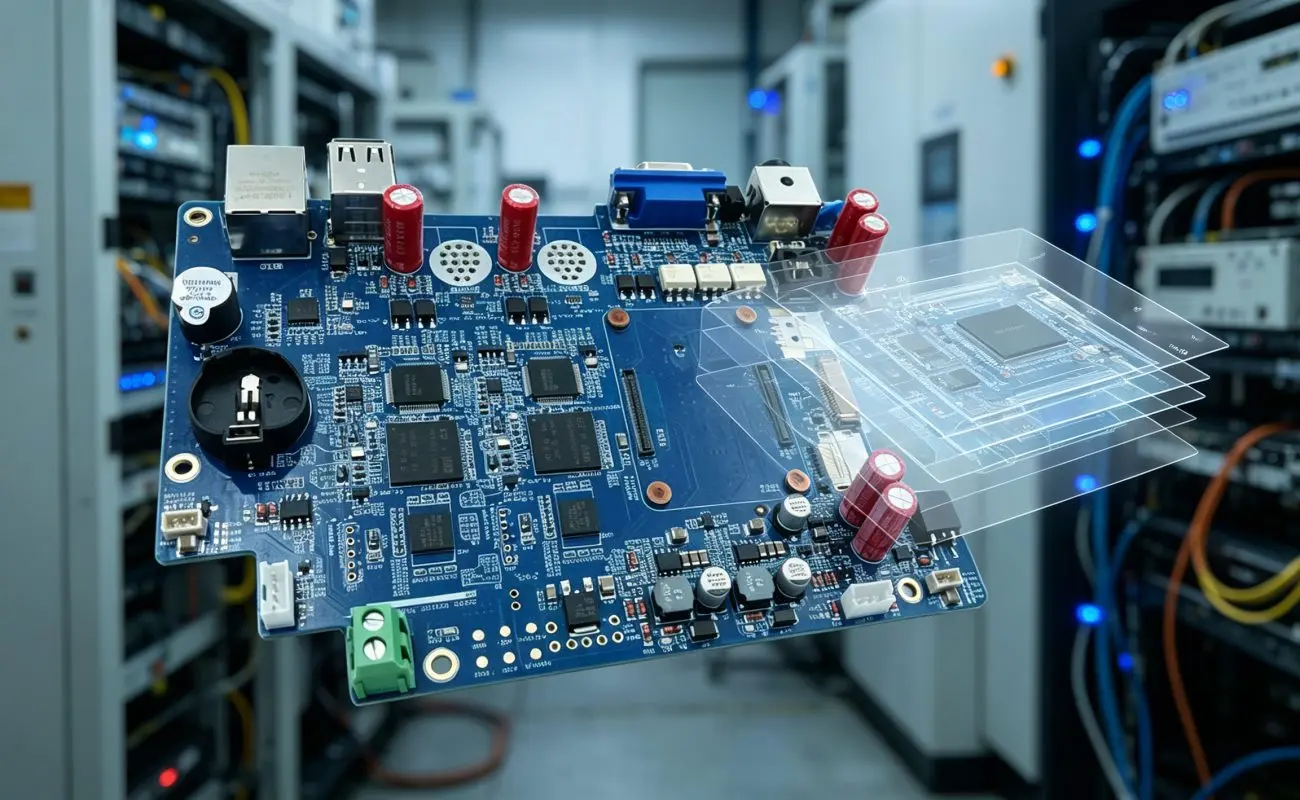
- Stack-up optimization and DFM refinement. We reworked the layer structure and ran the EQ file for controlled impedance—because on high-frequency boards, dielectric tolerance, copper roughness, and trace width are not small details. They are the variables that determine insertion loss and return loss.
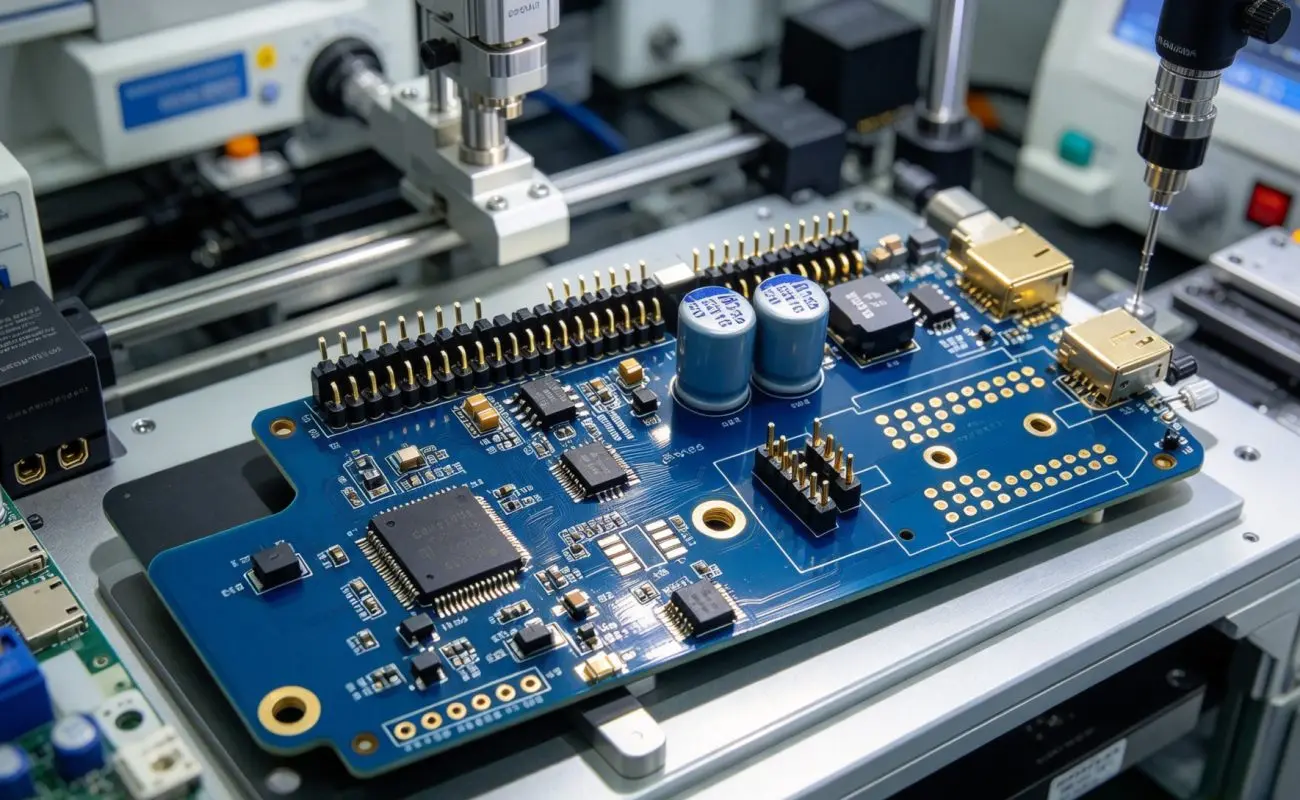
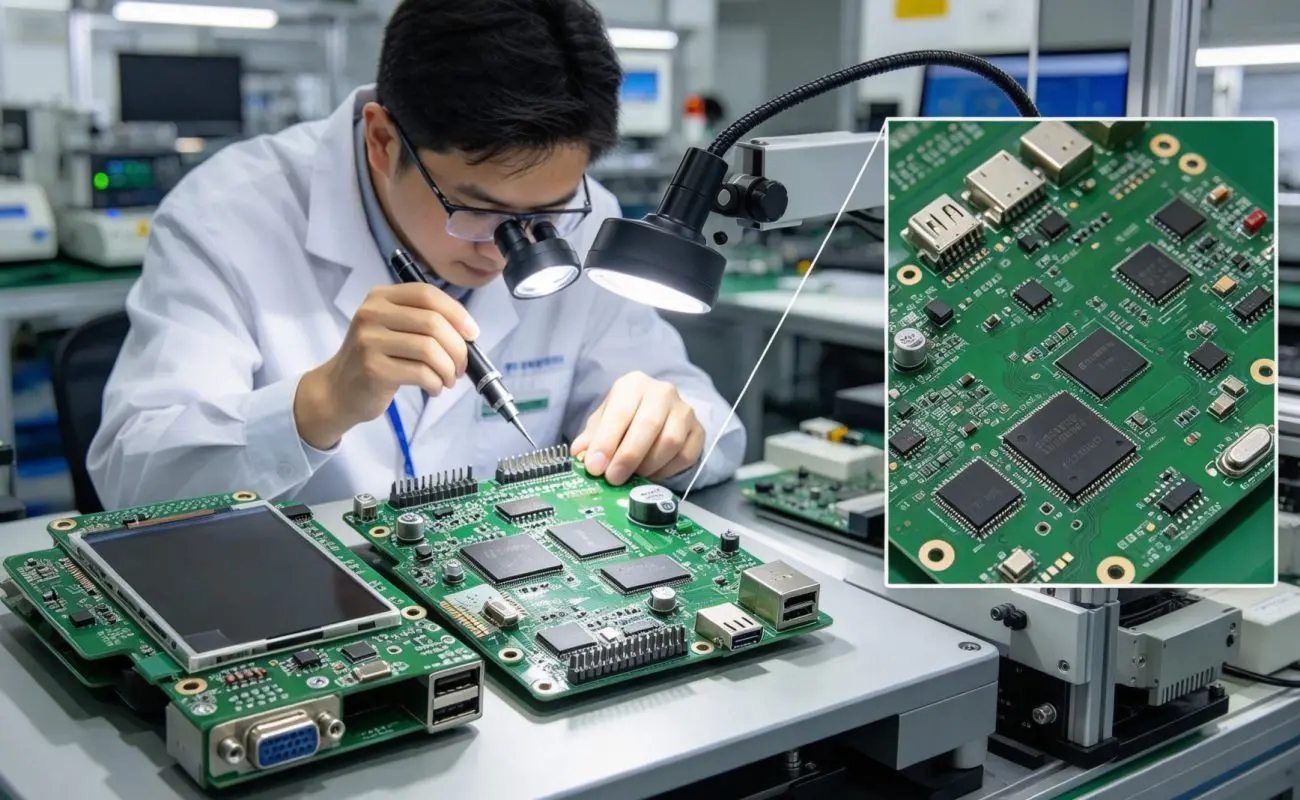
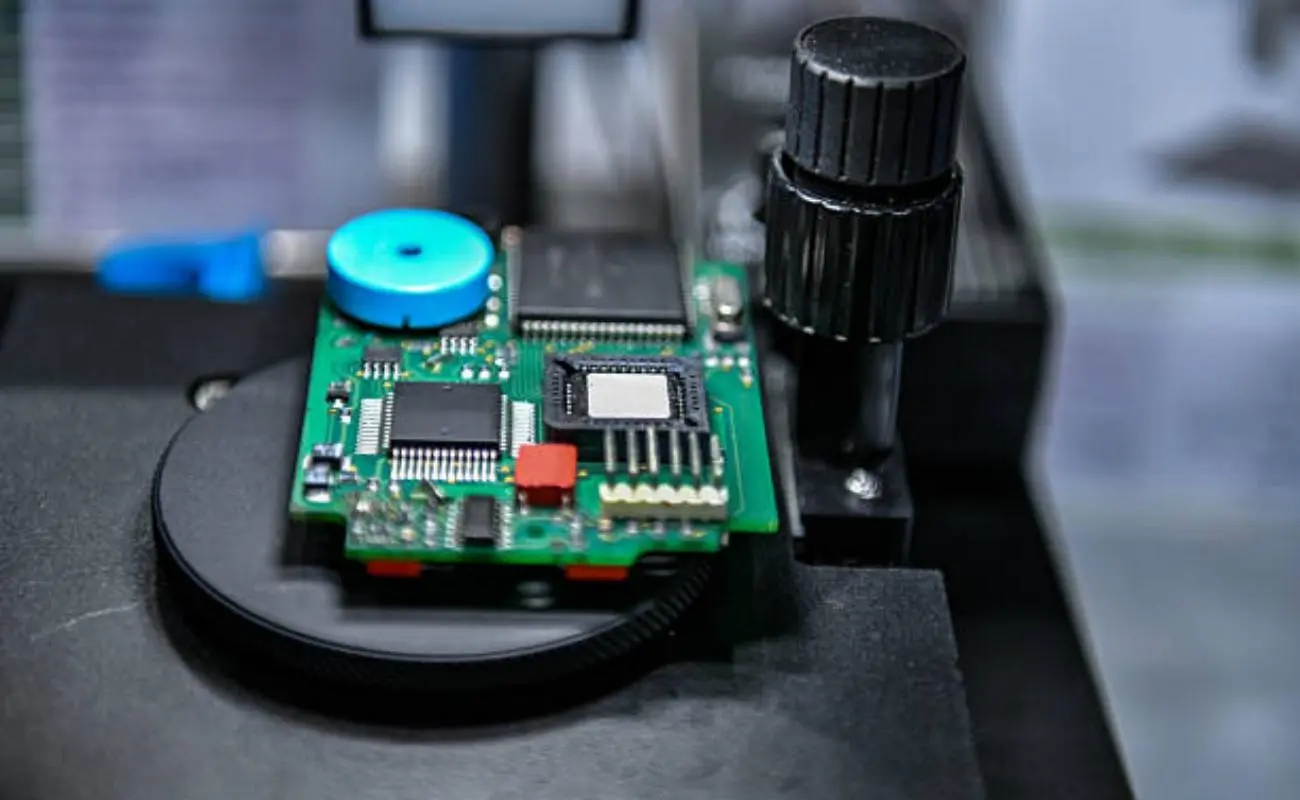
- SMT assembly with the precision RF and high-speed digital need. BGA, QFN, and ultra-small 0201/01005 components were run through an optimized reflow profile, with SPI/AOI/X-ray inspection at every step.
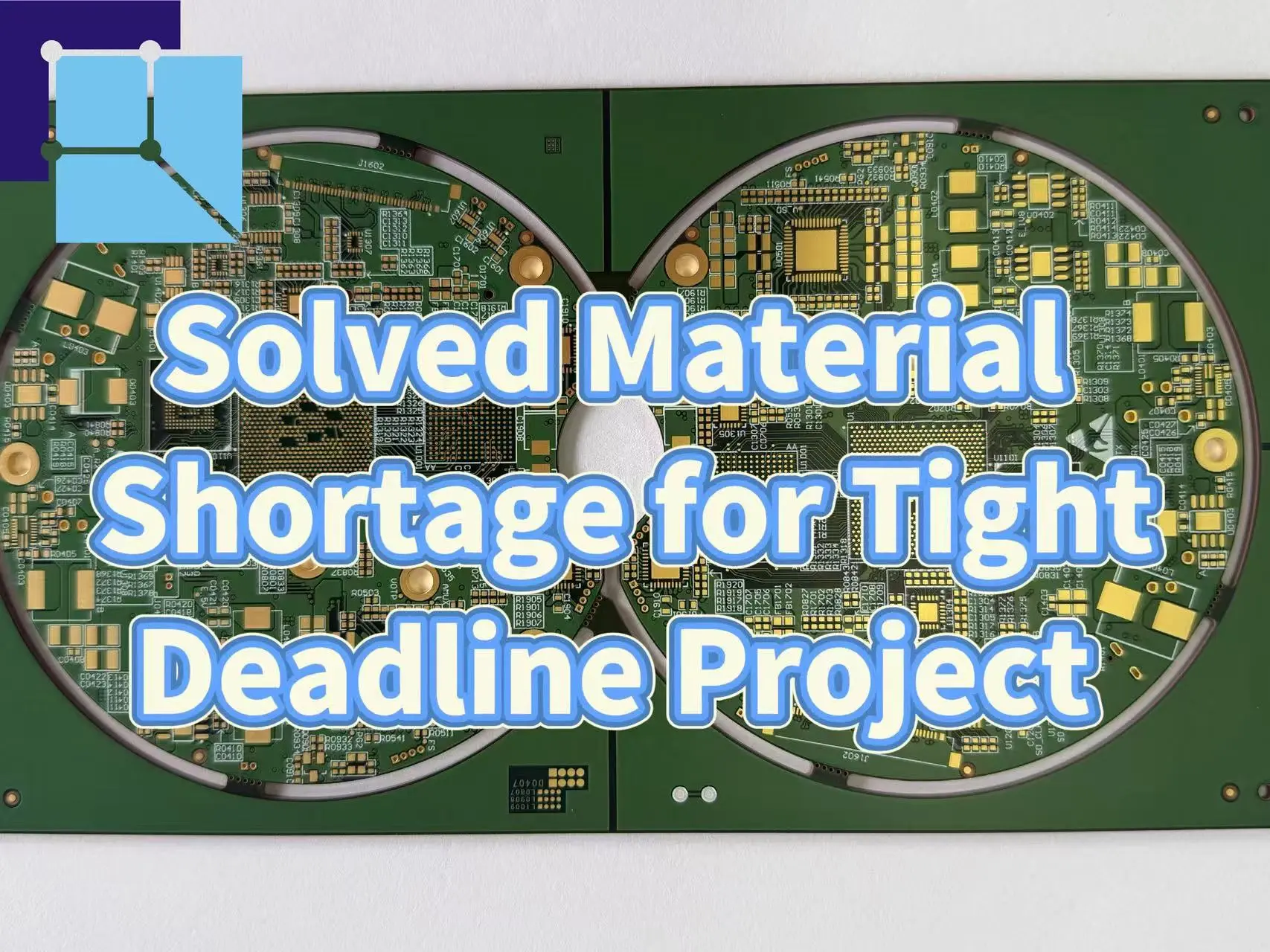
The finished board came out flat and clean, with controlled impedance zones and crisp trace edges. Stable transmission. Lower loss. More system margin.
If your project is sitting on a material wait-list, send us your requirements. We’ll engineer around it.


Leave a reply