
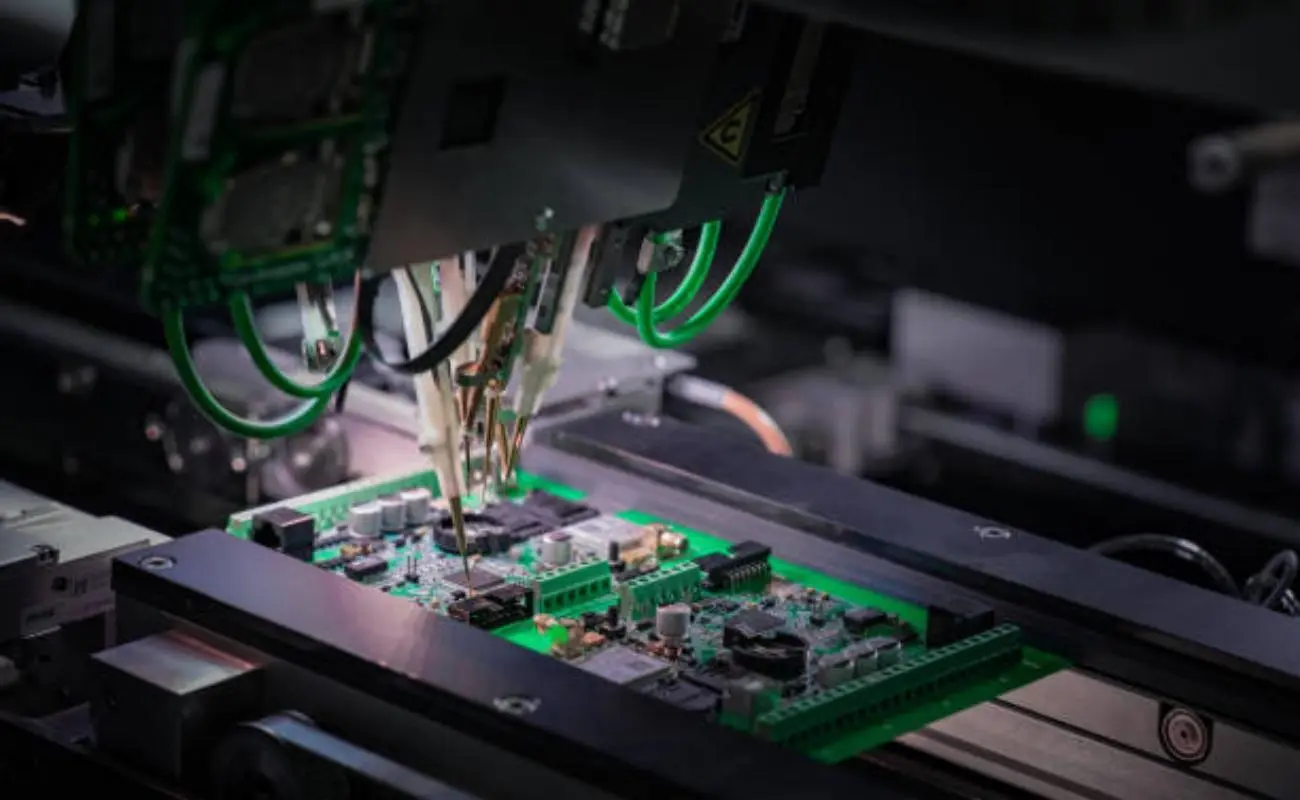
With the rapid development of modern electronic equipment, power systems require higher efficiency, better stability, and stronger interference resistance. From industrial devices to renewable energy systems, reliable circuit performance directly affects the overall operation of electronic products. Therefore, advanced PCB assembly technologies that focus on thermal control and electromagnetic compatibility have become increasingly important.
A low-EMI power PCBA assembly is designed to improve system reliability by reducing electromagnetic interference while maintaining efficient power conversion. Through optimized circuit layouts, advanced materials, and customized power components, it helps electronic systems achieve stable performance in demanding applications.
Optimized PCB Structure For Better System Stability
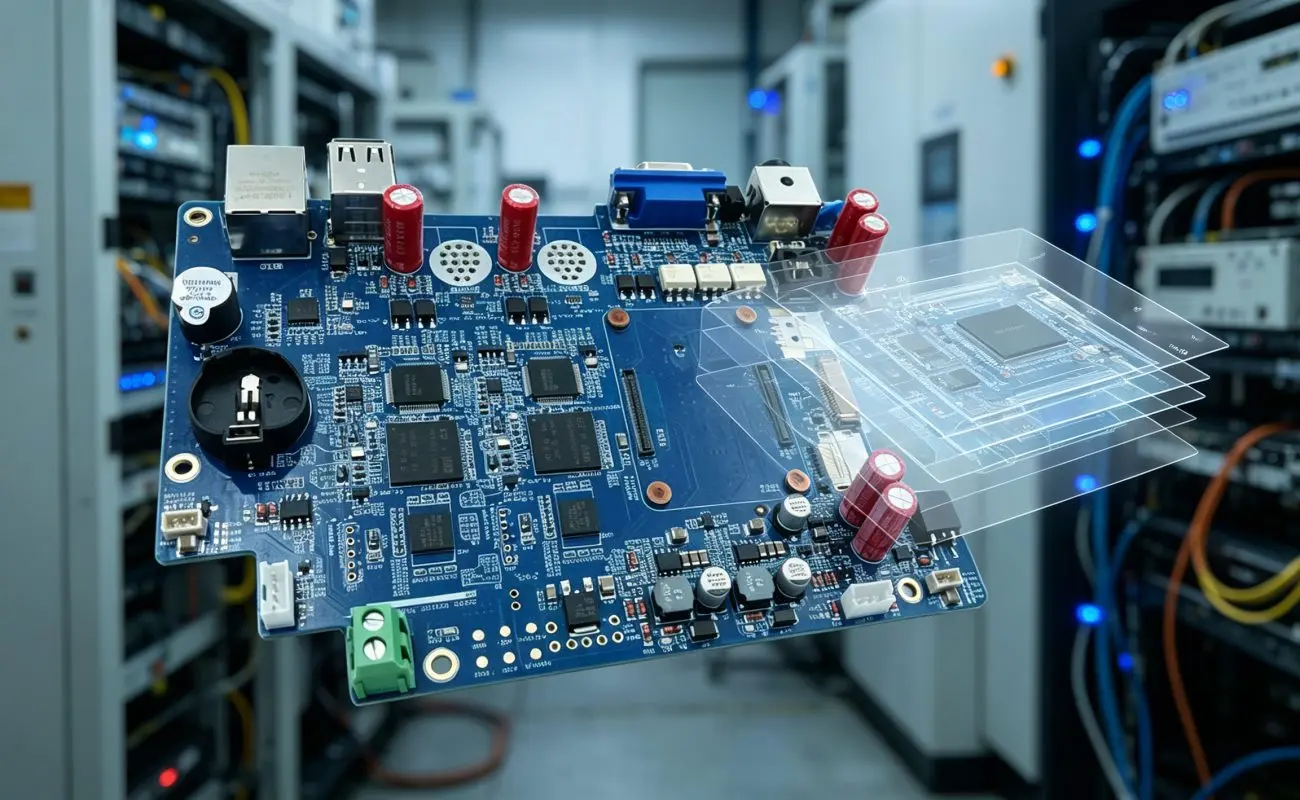
The design structure of a PCBA plays an important role in controlling heat, signal interference, and power efficiency. The 4-layer Tg150 PCBA uses an optimized layer structure to separate power and signal areas, minimizing unwanted interference between circuit sections. Moreover, the 4-layer FR4 PCB with a glass transition temperature of 150°C provides improved thermal stability compared with standard PCB materials. As a result, the board can maintain reliable operation in environments where power components generate continuous heat. Fully Hong focuses on providing customized PCB solutions that support different power application requirements. Through advanced manufacturing processes, the company helps customers develop reliable circuit assemblies for industrial and power-related systems.
Advanced Thermal Management For Long-Term Operation
Heat management is a critical factor in maintaining electronic system reliability. When power components operate under high loads, excessive heat can reduce component lifespan and affect overall performance. Therefore, effective thermal solutions are essential for power PCBA designs. The 4-layer structure improves heat distribution by using dedicated power and ground planes. In addition, strategically placed thermal vias help transfer heat away from high-temperature components, such as transformers and MOSFET areas.
The key thermal design advantages include:
- 4-Layer Stackup Design: Uses two signal layers and two power/ground planes to improve electrical performance and reduce interference.
- 1OZ Copper Layers: Enhances current carrying capability and supports stable power transmission.
- Tg150 FR4 Material: Provides better heat resistance and reduces risks caused by thermal stress.
- Thermal Via Technology: Improves heat dissipation and helps lower temperature concentration around power components.
These design improvements allow electronic systems to operate more consistently, especially in applications requiring continuous power delivery.
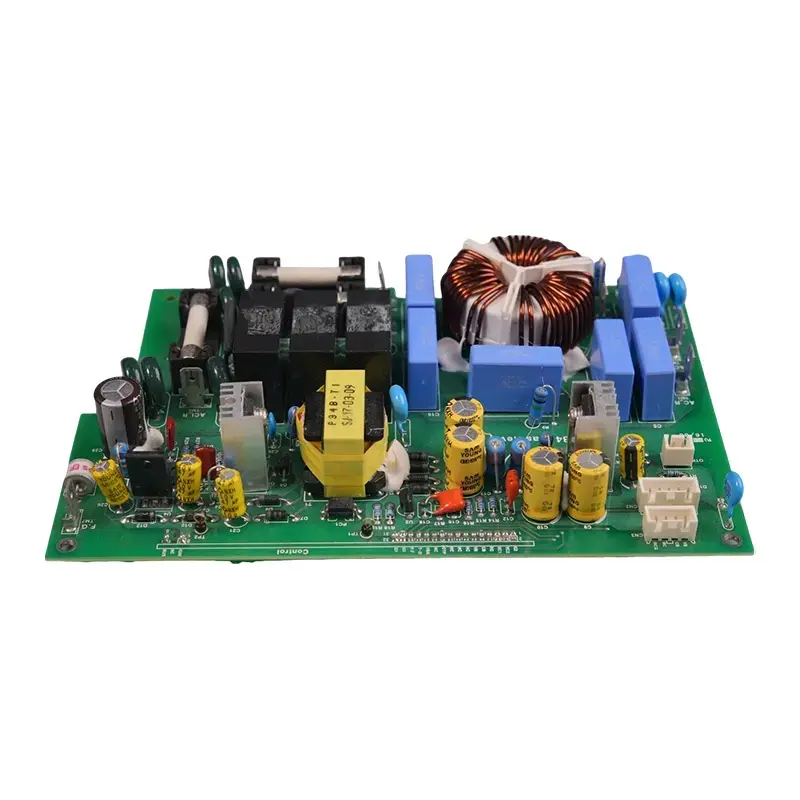
Customized Transformer Design For Efficient Power Conversion
Power conversion efficiency is another important factor affecting system reliability. A customized transformer integrated into the PCBA helps achieve accurate voltage regulation and optimized energy transfer. Furthermore, the transformer can support different voltage ratios, power ratings, and frequency ranges based on application requirements. This flexibility makes it suitable for AC-DC adapters, DC-DC converters, server power supplies, and renewable energy equipment.
By using low-core-loss materials and precise winding technologies, the transformer improves energy conversion efficiency. Additionally, shielded winding structures and balanced magnetic designs help reduce electromagnetic emissions, supporting applications that require lower interference levels.
| Design Feature | Reliability Benefit |
|---|---|
| 4-Layer PCB Architecture | Separates power and signal paths to reduce interference |
| Tg150 FR4 Material | Improves thermal stability under high-temperature conditions |
| Thermal Vias | Enhances heat dissipation around power components |
| Customized Transformer | Provides precise voltage regulation and efficient conversion |
| EMI Optimized Layout | Reduces electromagnetic disturbance and improves system stability |
Reducing EMI For Sensitive Electronic Applications
Electromagnetic interference can negatively affect the performance of sensitive electronic devices. Therefore, controlling EMI during the PCB design and assembly process is essential for improving product reliability. A low-EMI power PCBA assembly combines optimized routing, proper grounding methods, and improved component placement to reduce unwanted electromagnetic noise. Moreover, the separation of power and signal layers helps prevent interference from affecting critical circuits. This makes the solution suitable for applications such as industrial automation equipment, server power systems, renewable energy inverters, and other power-sensitive electronic products.
Supporting Reliable Power Solutions For Future Applications
As electronic systems become more powerful and compact, the demand for efficient and stable power solutions continues to grow. Consequently, PCB assemblies need to provide better thermal performance, lower interference, and flexible customization options. The 4-layer Tg150 PCBA offers a balanced solution by combining advanced thermal management, efficient energy conversion, and reliable circuit design. Furthermore, its customized transformer integration allows engineers to optimize performance for different power applications.
Overall, the low-EMI power PCBA assembly provides an effective approach to improving electronic system reliability. With enhanced EMI control, durable materials, and efficient power management, it supports the development of modern industrial and consumer electronic products. Through continuous innovation and customized manufacturing capabilities, Fully Hong helps customers build dependable PCB solutions that meet the evolving requirements of advanced power systems.




Leave a reply