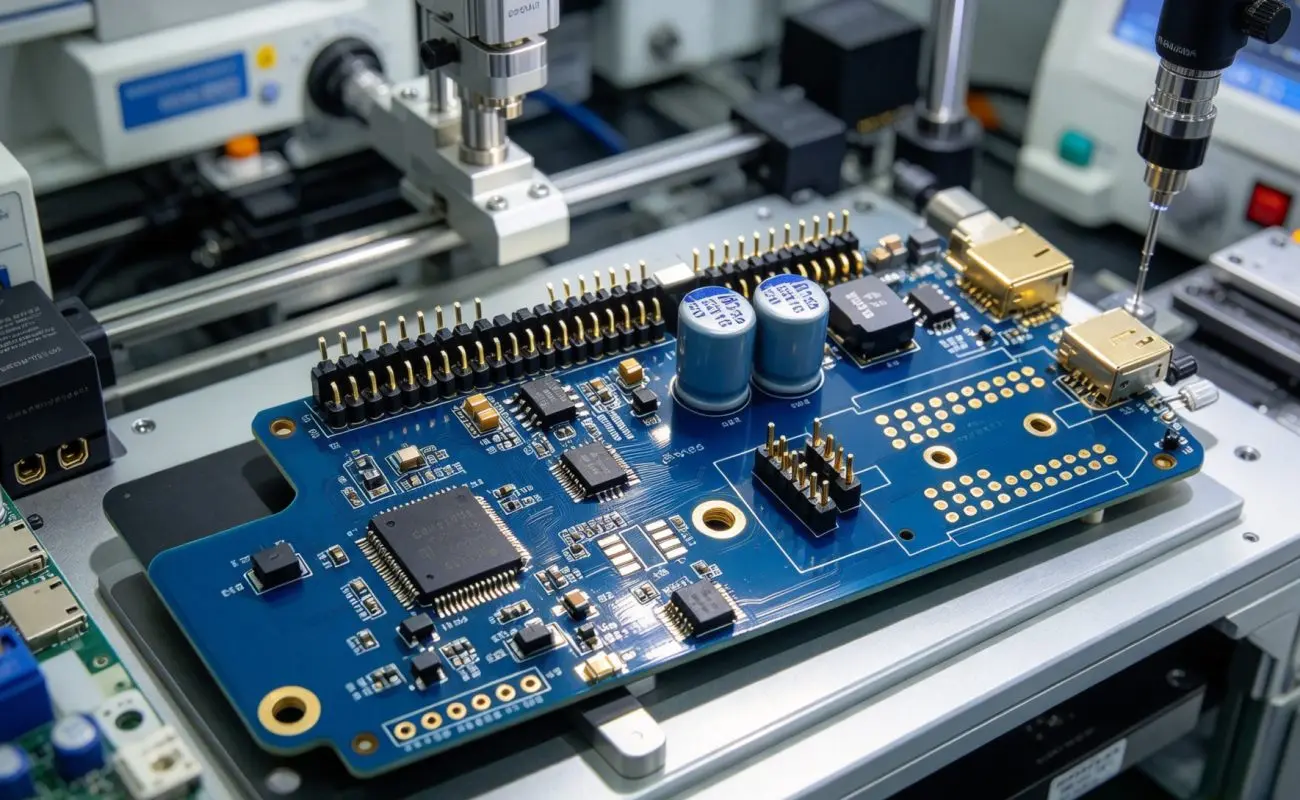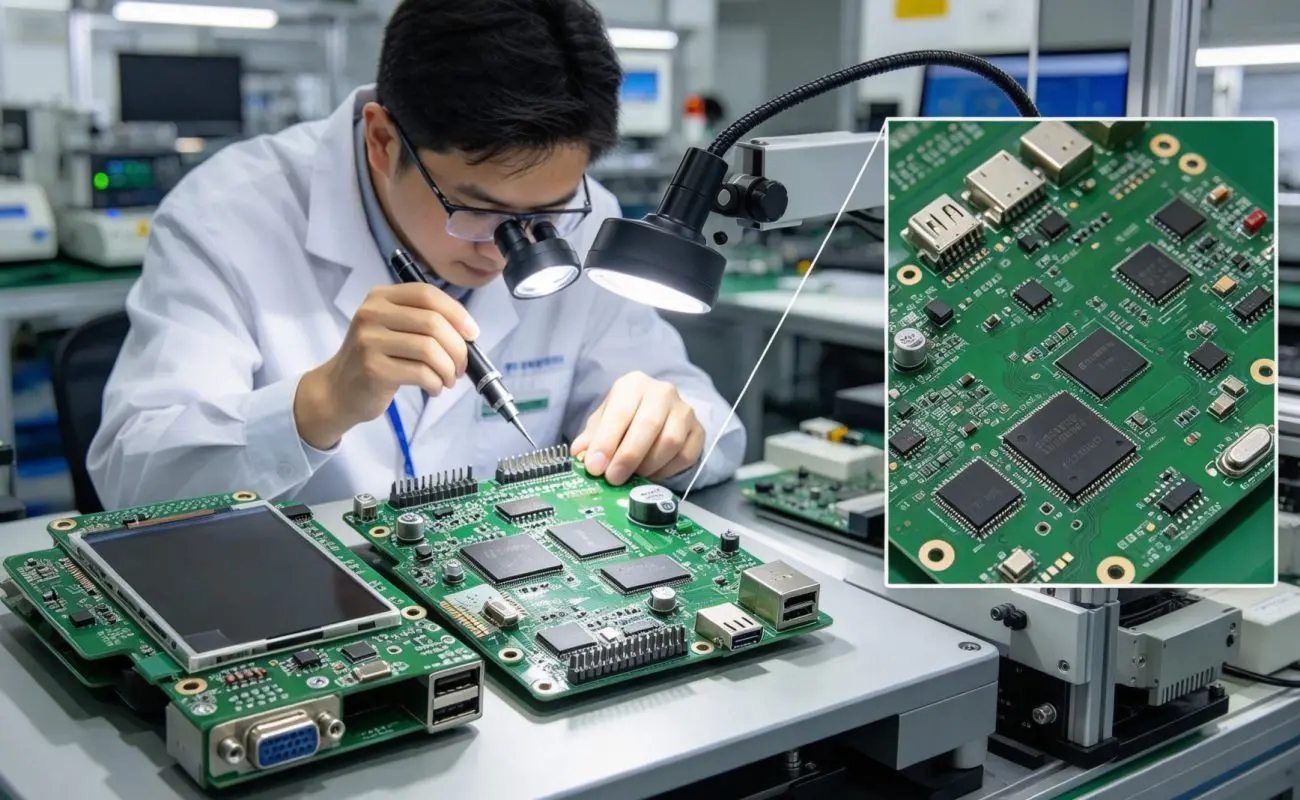
在现代电子学中, 设计复杂性不断增加,而空间需求却不断缩小. This evolution has driven the widespread adoption of the rigid flex printed circuit board, a hybrid solution that combines the best features of rigid and flexible circuitry. Compared with traditional PCBs, rigid flex technology offers higher reliability, better space efficiency, and enhanced mechanical performance.
As a professional manufacturer, Fully Hong focuses on delivering high-quality rigid flex PCB solutions for demanding industrial applications.
📌 What Is a Rigid Flex Printed Circuit Board?
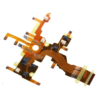
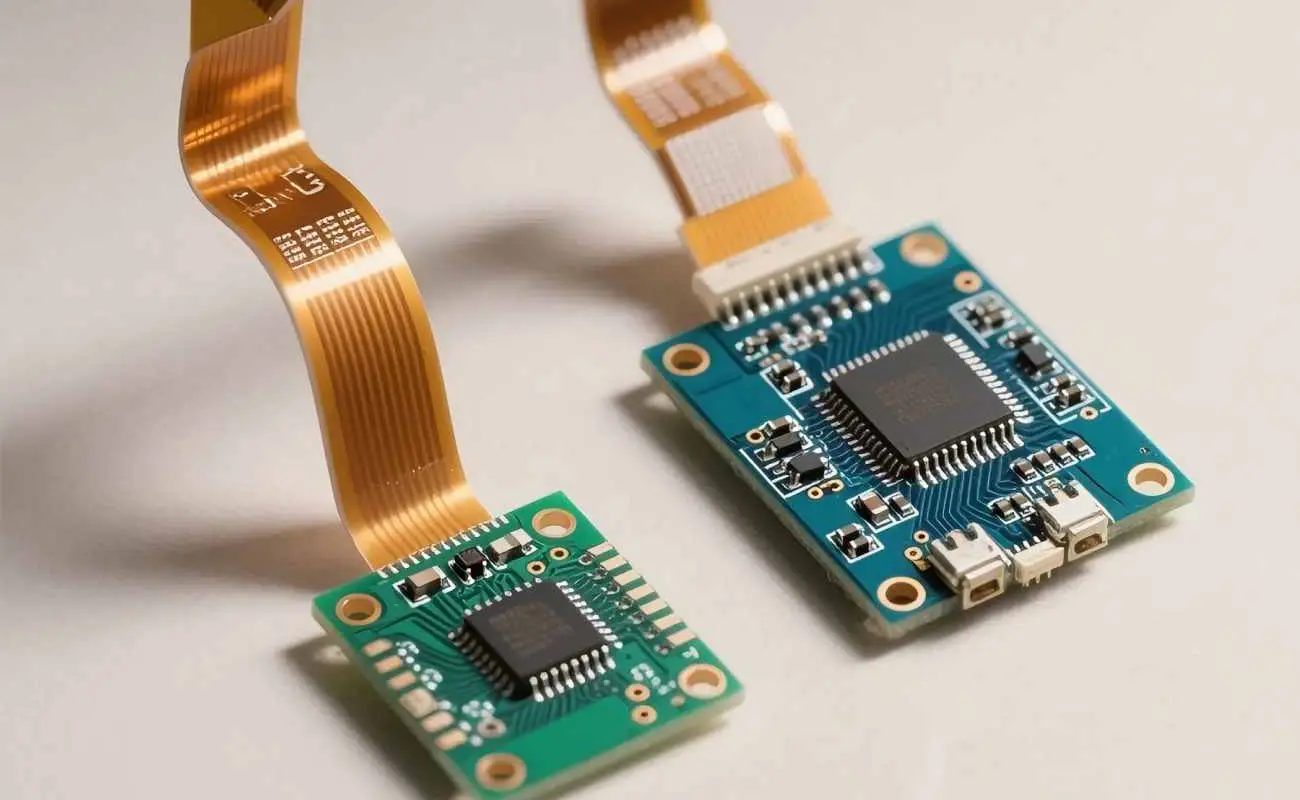
A rigid flex printed circuit board is a hybrid structure that integrates rigid PCB sections with flexible circuitry in a single unified design.
Unlike traditional boards that are either fully rigid or fully flexible, a rigid flex structure allows:
- Rigid areas for component mounting
- Flexible areas for bending and folding
- A seamless electrical connection between both zones
This unique design reduces the need for connectors and cables, improving overall system reliability.
⚙️ Key Differences Between Rigid Flex PCB and Traditional PCB
1. Structural Design
- Traditional PCB: Fully rigid structure, no bending capability
- Rigid flex PCB: Combines rigid and flexible layers in one board
This makes the flexible rigid PCB ideal for compact and dynamic applications.
2. Space Efficiency
A flex rigid PCB significantly reduces the need for connectors, cables, and wiring harnesses.
Benefits include:
- Smaller device footprint
- Lightweight assembly
- Simplified system integration
3. Reliability and Durability
Traditional PCBs often rely on connectors that can loosen over time.
In contrast, a rigid flex circuit board offers:
- Fewer solder joints
- Reduced mechanical failure points
- Better vibration resistance
This makes it highly suitable for aerospace, 医疗的, and military systems.
4. Design Flexibility
Rigid flex technology allows engineers to design 3D electronic layouts.
优点:
- Foldable circuit architecture
- Complex geometry support
- Improved product design freedom
5. Manufacturing Complexity
一个 rigid-flex PCB requires more advanced fabrication processes compared to standard PCBs:
- Layer lamination of rigid + flexible materials
- Precise alignment control
- Specialized materials for bending zones
This increases production requirements but delivers superior performance.
🏭 Applications of Rigid Flex Printed Circuit Boards
The versatility of rigid flex technology makes it widely used across industries:
- 📱 Consumer electronics (智能手机, 可穿戴设备)
- 🚗 Automotive electronics systems
- ✈️ Aerospace control systems
- 🏥 Medical devices
- 🧠 Industrial control systems
These applications benefit from compact size, high reliability, and stable performance.
🔧 Why Choose Fully Hong Rigid Flex PCB Solutions?
As a professional supplier of rigid flex PCB solutions, Fully Hong provides:
- High-precision manufacturing capabilities
- Customized rigid flex circuit board design support
- Stable production for industrial-grade applications
- Strict quality control for high reliability
Whether you need a prototype or mass production, Fully Hong delivers consistent performance and engineering support.
📊 Conclusion
Compared with traditional PCBs, a rigid flex printed circuit board offers a significant technological upgrade in terms of flexibility, 可靠性, and space optimization.
主要优势包括:
- Integrated rigid and flexible structure
- Reduced connectors and higher reliability
- Improved design freedom
- Better performance in compact devices
For advanced electronic applications, rigid flex PCB technology has become an essential solution for modern engineering challenges.


发表回复