Trong điện tử hiện đại, độ phức tạp của thiết kế ngày càng tăng trong khi yêu cầu về không gian ngày càng bị thu hẹp. Sự phát triển này đã thúc đẩy việc áp dụng rộng rãi bảng mạch in flex cứng., một giải pháp lai kết hợp các tính năng tốt nhất của mạch cứng và linh hoạt. So với PCB truyền thống, công nghệ flex cứng nhắc mang lại độ tin cậy cao hơn, hiệu quả không gian tốt hơn, và nâng cao hiệu suất cơ khí.
Là một nhà sản xuất chuyên nghiệp, Full Hong tập trung vào việc cung cấp các giải pháp PCB linh hoạt cứng nhắc chất lượng cao cho các ứng dụng công nghiệp đòi hỏi khắt khe.
👉 Bảng mạch in Flex cứng là gì?
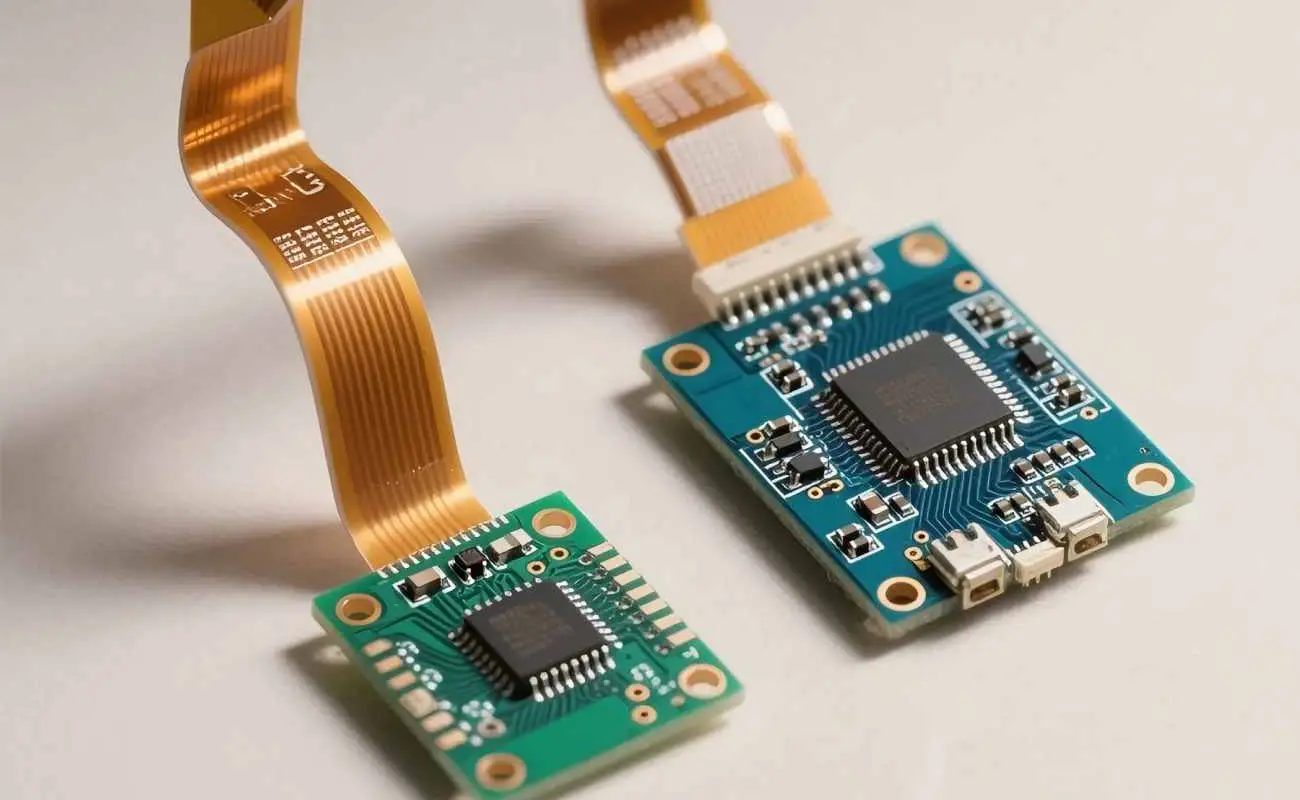
Bảng mạch in flex cứng là một cấu trúc lai tích hợp các phần PCB cứng với mạch linh hoạt trong một thiết kế thống nhất duy nhất.
Không giống như các bảng truyền thống hoàn toàn cứng nhắc hoặc hoàn toàn linh hoạt, một cấu trúc uốn cứng nhắc cho phép:
- Khu vực cứng nhắc để gắn linh kiện
- Khu vực linh hoạt để uốn và gấp
- Kết nối điện liền mạch giữa cả hai khu vực
Thiết kế độc đáo này làm giảm nhu cầu về đầu nối và cáp, cải thiện độ tin cậy của hệ thống tổng thể.

⚙️ Sự khác biệt chính giữa PCB Flex cứng và PCB truyền thống
1. Thiết kế kết cấu
- PCB truyền thống: Cấu trúc hoàn toàn cứng nhắc, không có khả năng uốn
- PCB uốn cứng: Kết hợp các lớp cứng và linh hoạt trong một bảng
Điều này làm cho PCB cứng linh hoạt trở nên lý tưởng cho các ứng dụng nhỏ gọn và năng động.
2. Hiệu quả không gian
PCB cứng nhắc uốn cong làm giảm đáng kể nhu cầu về đầu nối, cáp, và dây dẫn điện.
Lợi ích bao gồm:
- Dấu chân thiết bị nhỏ hơn
- Lắp ráp nhẹ
- Tích hợp hệ thống đơn giản hóa
3. Độ tin cậy và độ bền
PCB truyền thống thường dựa vào các đầu nối có thể bị lỏng theo thời gian.
Ngược lại, một bảng mạch flex cứng nhắc cung cấp:
- Ít mối hàn hơn
- Giảm điểm lỗi cơ học
- Chống rung tốt hơn
Điều này làm cho nó rất phù hợp cho ngành hàng không vũ trụ, thuộc về y học, và hệ thống quân sự.
4. Thiết kế linh hoạt
Công nghệ Rigid Flex cho phép các kỹ sư thiết kế bố cục điện tử 3D.
Thuận lợi:
- Cấu trúc mạch có thể gập lại
- Hỗ trợ hình học phức tạp
- Cải thiện quyền tự do thiết kế sản phẩm
5. Độ phức tạp sản xuất
MỘT PCB cứng nhắc đòi hỏi quy trình chế tạo tiên tiến hơn so với PCB tiêu chuẩn:
- Cán lớp cứng nhắc + vật liệu dẻo
- Kiểm soát căn chỉnh chính xác
- Vật liệu chuyên dùng cho vùng uốn
Điều này làm tăng yêu cầu sản xuất nhưng mang lại hiệu suất vượt trội.

🏭 Ứng dụng của Bảng mạch in Flex cứng
Tính linh hoạt của công nghệ flex cứng khiến nó được sử dụng rộng rãi trong các ngành công nghiệp:
- 📱 Điện tử tiêu dùng (điện thoại thông minh, thiết bị đeo được)
- 🚗 Hệ thống điện tử ô tô
- ✈️ Hệ thống kiểm soát hàng không vũ trụ
- 🏥 Thiết bị y tế
- 🧠 Hệ thống điều khiển công nghiệp
Những ứng dụng này được hưởng lợi từ kích thước nhỏ gọn, độ tin cậy cao, và hiệu suất ổn định.
🔧 Tại sao nên chọn Giải pháp PCB Flex cứng hoàn toàn của Hong?
Là nhà cung cấp chuyên nghiệp các giải pháp PCB linh hoạt cứng nhắc, Hồng cung cấp đầy đủ:
- Khả năng sản xuất có độ chính xác cao
- Hỗ trợ thiết kế bảng mạch flex cứng nhắc tùy chỉnh
- Sản xuất ổn định cho các ứng dụng cấp công nghiệp
- Kiểm soát chất lượng nghiêm ngặt cho độ tin cậy cao
Cho dù bạn cần một nguyên mẫu hay sản xuất hàng loạt, Full Hong mang đến hiệu suất ổn định và hỗ trợ kỹ thuật.

📊 Kết luận
So với PCB truyền thống, bảng mạch in flex cứng cung cấp một nâng cấp công nghệ đáng kể về tính linh hoạt, độ tin cậy, và tối ưu hóa không gian.
Ưu điểm chính bao gồm:
- Cấu trúc cứng nhắc và linh hoạt tích hợp
- Giảm đầu nối và độ tin cậy cao hơn
- Cải thiện quyền tự do thiết kế
- Hiệu suất tốt hơn trong các thiết bị nhỏ gọn
Đối với các ứng dụng điện tử tiên tiến, Công nghệ PCB flex cứng đã trở thành một giải pháp thiết yếu cho những thách thức kỹ thuật hiện đại.
Để lại một câu trả lời