
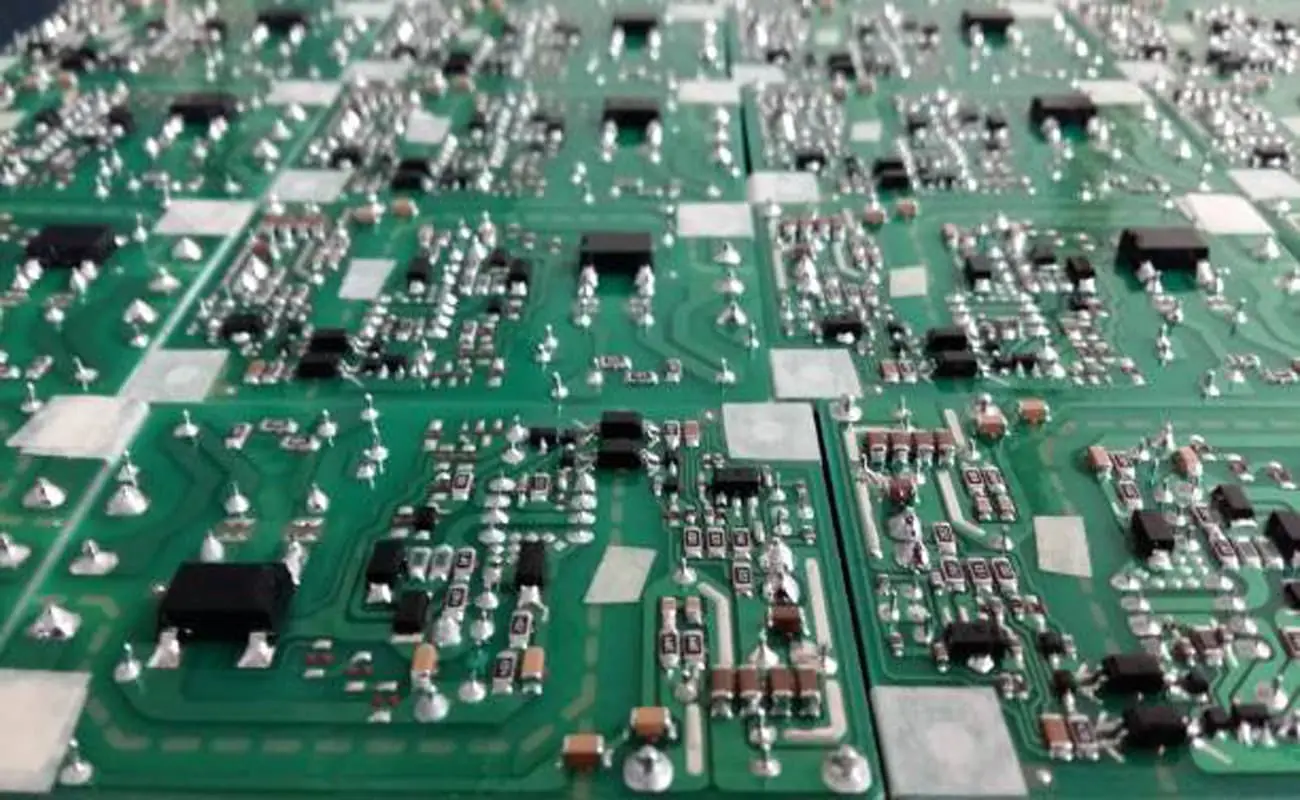
在PCBA中 (印刷电路板组装) 行业, quality issues are a critical concern that affects both customers and internal teams. Ensuring every department understands basic IPC terminology is essential to maintaining high-quality standards and minimizing costly errors. Fullyhong regularly organizes internal training sessions to align employees on these critical concepts. This article provides a clear reference for key IPC terms in PCBA manufacturing and quality assurance.
1. 板面
初级侧 (主面): The side of the 印刷电路板 with the most complex or highest component density. 在通孔技术中 (THT), this may also be called the component side or solder termination side.
Secondary Side (Opposite Side): 与主面相对的面. 在THT中, often referred to as the solder side or solder initiation side.
Soldering Surfaces
-
焊接起始面: 最初涂焊料的 PCB 面. In wave soldering, dip soldering, or drag soldering, 这通常是次级侧. For manual soldering, it can be either side.
-
Solder Termination Side: The side where solder flows into through-holes. In automated processes, 这通常是主要方面.

2. 缺陷和检验条款
气泡: Air or volatile substances fully enclosed in coating materials or between component bodies and PCB surfaces.
弥合气泡: Bubbles trapped between adjacent conductors or components, creating unintended connections.
Cold Solder Joint: 灰色的, porous solder connections caused by poor wetting, insufficient heat, 或污染.
焊球: Small spherical solder remnants left after reflow soldering.

3. Conductors and Wiring
Common Conductor: 承载相同电流的导体, 电压, 频率, or function (例如, signal lines, 痕迹, 电线, or terminals).
Non-Common Conductor: Conductors with different electrical characteristics until explicitly defined in engineering documentation.
Conductor Overlap: A conductor wound over 360° that crosses itself without proper contact with the terminal.
Conductor Overwrap: A conductor wound over 360° while maintaining proper terminal contact.
缓解压力: Ensuring leads or wires are slack to reduce mechanical stress.
捻 (Torsion): Tight bends or deformations in wires or component leads that cannot be straightened.
Jumpers/Z-Wires: 采用通孔技术安装的电线 (甲状旁腺激素) as part of a component.

4. Components and Coatings
Moon-Shaped Coating (成分): Encapsulation material extending from the component base onto the lead, including ceramic, 环氧树脂, 或合成模塑料.
缺少组件: Any missing component at any product level is considered a defect.
前/后 (形式, 合身, 功能): 零件特点, 焊点, 组件, or assemblies whose failure may impact installation, 可靠性, 或操作.
5. 测试和制造过程
工程文件: 任何图纸, 规格, or technical diagrams created during design to clarify design requirements.
是 (异物碎片): Any foreign matter unrelated to the component or system, 例如碎片或颗粒.
通孔回流焊: Process of applying solder paste to through-hole terminals using a stencil or syringe, 然后用表面贴装器件进行回流焊 (贴片式). 也称为“针入式粘贴”。
为什么理解 IPC 术语在 PCBA 中很重要
A solid understanding of IPC standards and terms allows teams to reduce costly errors and rework in production, align cross-functional teams on quality standards, ensure consistent inspection and defect management, and improve communication with customers and suppliers. By integrating IPC knowledge into industrial PCB assembly practices, companies like Fullyhong ensure that every PCB meets stringent quality and reliability requirements.
结论:
Quality in PCBA is not solely the responsibility of engineering or QA departments—it’s a cross-departmental commitment. Mastery of IPC terminology and proper inspection techniques is foundational for preventing defects, enhancing reliability, 并保持客户满意度.

发表回复