
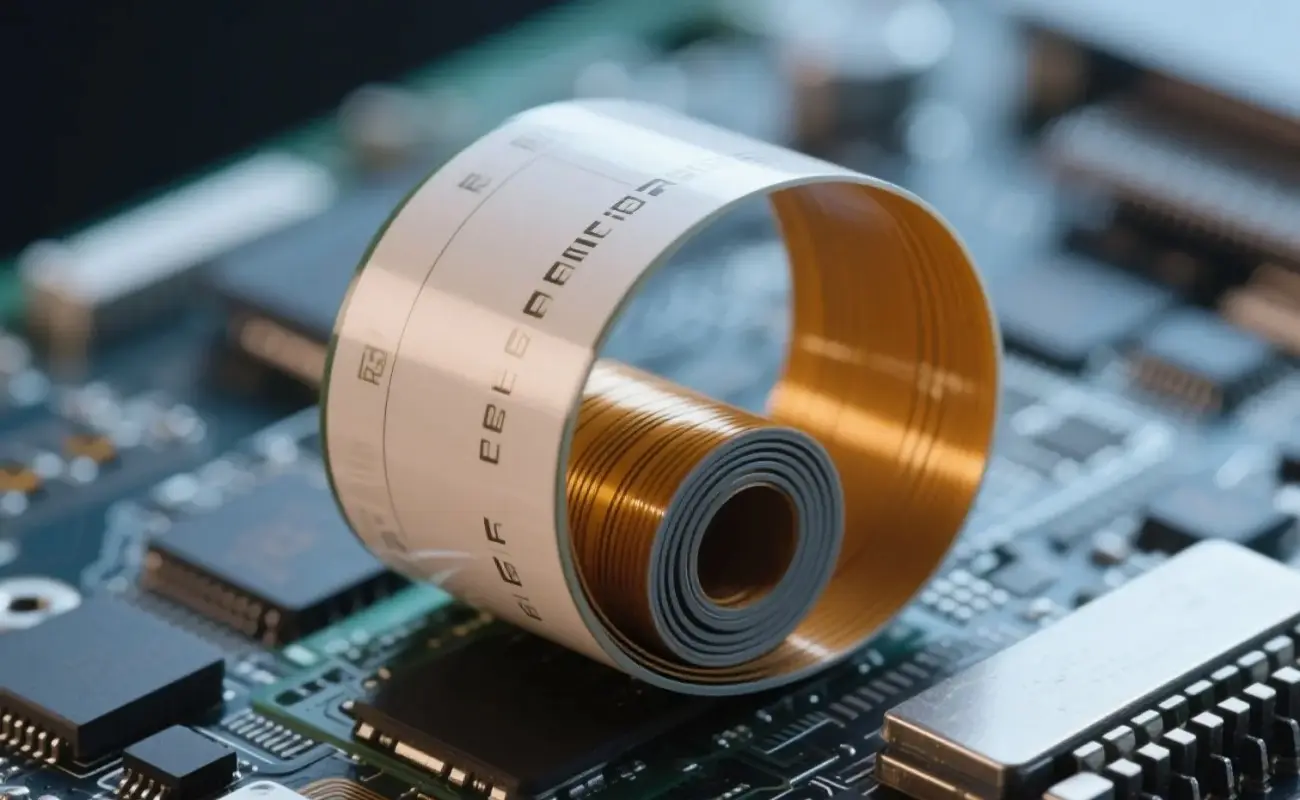
Los circuitos impresos flexibles se han convertido en un componente central del diseño de productos electrónicos modernos.. Combinan una estructura ligera, un diseño que ahorra espacio, y alta adaptabilidad, que remodelan significativamente la forma en que los ingenieros construyen dispositivos compactos. En muchas aplicaciones, se usan porque se pueden doblar, girar, y plegar sin romper las conexiones eléctricas. Además, Totalmente Hong proporciona soluciones de circuitos flexibles diseñado para compacto, Sistemas dinámicos donde los tableros rígidos tradicionales no son adecuados.. Como resultado, Estos circuitos se utilizan ampliamente en la electrónica de consumo., sistemas automotrices, y dispositivos portátiles.
Ventajas estructurales y flexibilidad de diseño
Además, Una de las mayores fortalezas de los circuitos impresos flexibles es su capacidad para adaptarse a estructuras de productos complejas.. A diferencia de las tablas rígidas, Admiten diseños tridimensionales e integración en espacios reducidos.. Por lo tanto, permiten a los ingenieros diseñar dispositivos electrónicos más pequeños y eficientes. Además, Su naturaleza delgada y liviana reduce el peso total del producto mientras mantiene la funcionalidad eléctrica.. Como resultado, Los diseñadores de productos obtienen más libertad en la optimización del diseño., especialmente en dispositivos con espacio interno limitado.
¿Los circuitos impresos flexibles afectan la estabilidad a largo plazo??
Sin embargo, Una preocupación común en el diseño de ingeniería es si los circuitos impresos flexibles reducen la estabilidad del dispositivo a largo plazo.. En realidad, La estabilidad depende tanto de la calidad del material como del entorno de aplicación.. Cuando se diseña correctamente, Mantiene una gran durabilidad mecánica y un rendimiento eléctrico estable a lo largo del tiempo.. Además, Están diseñados para resistir flexiones repetidas y tensiones mecánicas.. Sin embargo, en sistemas mal fabricados o incorrectamente aplicados, La concentración de estrés y el enrutamiento inadecuado pueden provocar una degradación del rendimiento.. Por lo tanto, La calidad del diseño juega un papel fundamental en la confiabilidad a largo plazo..
Estrés mecánico y rendimiento de durabilidad
Además, El estrés mecánico es uno de los factores clave que afectan la estabilidad electrónica.. Los circuitos flexibles están diseñados específicamente para soportar movimientos repetidos., vibración, y ciclos de flexión. Como resultado, Los circuitos impresos flexibles a menudo funcionan mejor que las placas rígidas en entornos dinámicos como la robótica o la electrónica portátil.. Además, su estructura en capas ayuda a distribuir la fuerza mecánica de manera uniforme, reduciendo el riesgo de fracaso. Por lo tanto, cuando se usa correctamente, Contribuyen positivamente a la vida útil del producto en lugar de reducir la estabilidad..
Factores ambientales y confiabilidad a largo plazo
Además, condiciones ambientales como la humedad, cambios de temperatura, y la vibración puede influir en el rendimiento del circuito. Sin embargo, Los procesos de fabricación modernos mejoran la resistencia a estos factores externos.. Además, Fully Hong aplica estrictos estándares de producción para garantizar un rendimiento eléctrico estable en condiciones de uso prolongado.. Como resultado, Los circuitos impresos flexibles pueden mantener la confiabilidad incluso en entornos exigentes.. Además, Los revestimientos protectores y la selección de materiales también ayudan a prolongar la vida útil y reducir el impacto ambiental..
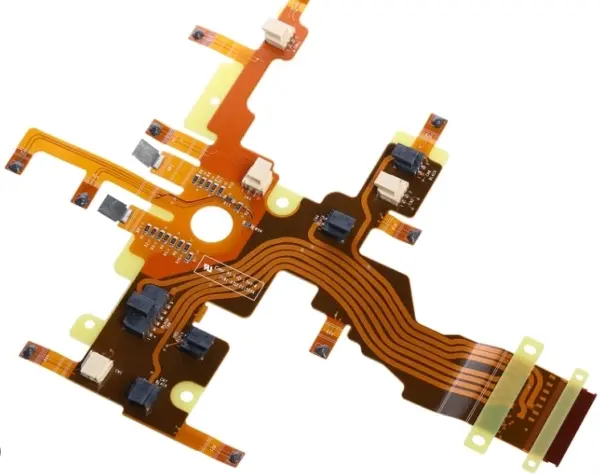
Propiedades clave de los circuitos impresos flexibles
Son ampliamente valorados por varias características importantes.:
- Alta flexibilidad para diseños complejos
- Estructura ligera para dispositivos compactos
- Adecuado para diseños de instalación 3D
- Fuerte resistencia al estrés mecánico.
Por lo tanto, no sólo ahorran espacio sino que también son altamente adaptables a las demandas electrónicas modernas.
Conclusión: La estabilidad depende del diseño, No flexibilidad
En conclusión, Los circuitos impresos flexibles no reducen inherentemente la estabilidad del dispositivo a largo plazo.. En cambio, su rendimiento depende de la calidad del diseño, selección de materiales, y entorno de aplicación. Al final, Ofrecen una excelente flexibilidad mecánica y un rendimiento eléctrico confiable cuando se diseñan adecuadamente.. Con fabricación avanzada de Totalmente Hong, Proporcionan una solución estable y eficiente para sistemas electrónicos de próxima generación..


Deja una respuesta