

Engineering projects today face constant pressure to reduce cost while maintaining quality and scalability. As a result, companies increasingly adopt structured design methods to optimize production. One of the most effective approaches is design for manufacturing and assembly, which integrates product design with production efficiency goals from the beginning. Fully Hong applies DFMA principles in engineering workflows to help reduce waste and improve manufacturability across different product categories.
Understanding Design for Manufacturing and Assembly
To begin with, it combines two core methodologies: Design for Manufacturing (DFM) and Design for Assembly (DFA). DFM focuses on simplifying part production, while DFA improves how easily components come together during assembly. Moreover, this integration allows engineers to evaluate both production and assembly at the same time. Therefore, teams can identify inefficiencies early and avoid costly redesigns later in the project lifecycle.
Reducing Material and Production Costs
One of the most direct benefits of design for manufacturing and assembly is cost reduction in material usage and production processes. When engineers simplify product structures, they reduce the number of parts required. In addition, fewer parts lead to lower machining, tooling, and inventory costs. As a result, manufacturers can streamline procurement and reduce overall production expenses without sacrificing performance or reliability.
Improving Assembly Efficiency and Labor Cost
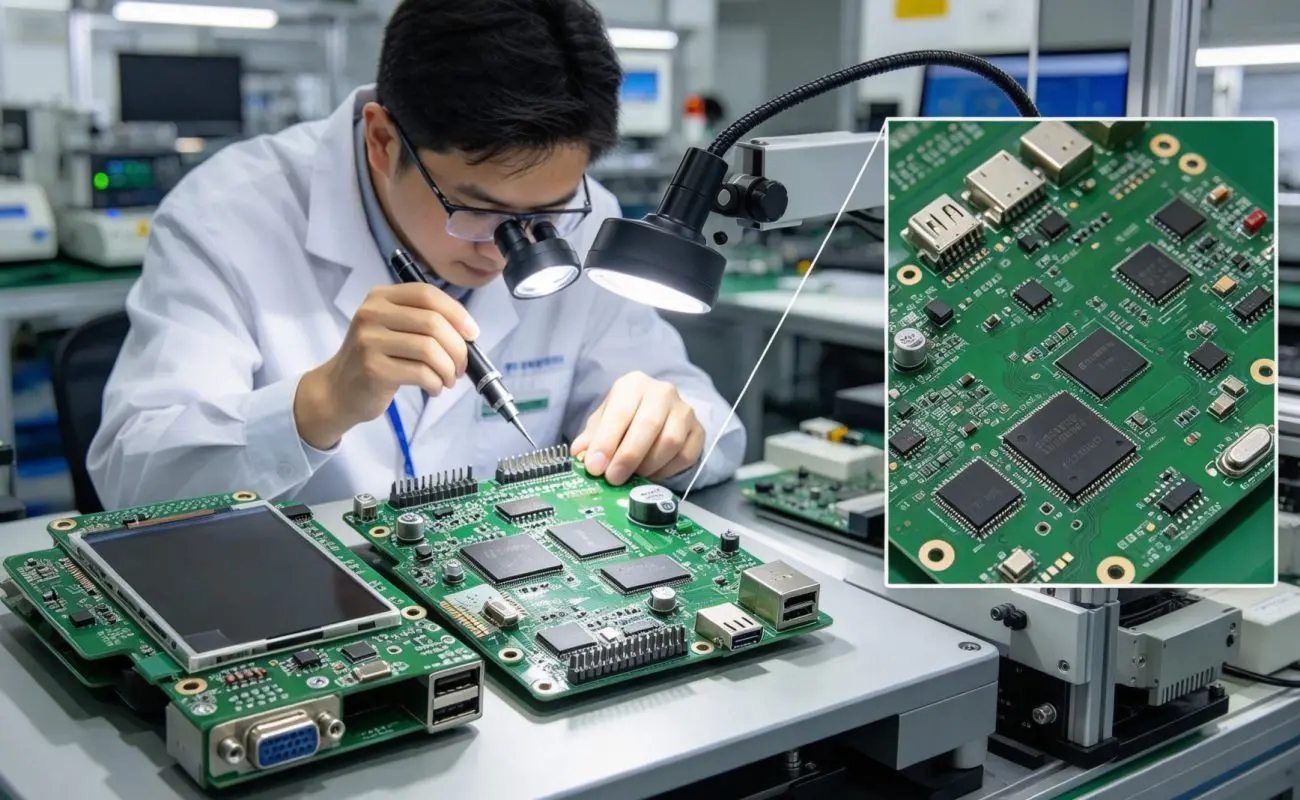
Furthermore, design for manufacturing and assembly significantly reduces assembly complexity. When product structures become simpler, workers spend less time on alignment, fastening, and inspection. Moreover, standardized parts and modular designs allow faster assembly line operations. Therefore, companies reduce labor costs while increasing production speed and consistency.
Minimizing Waste and Design Inefficiencies
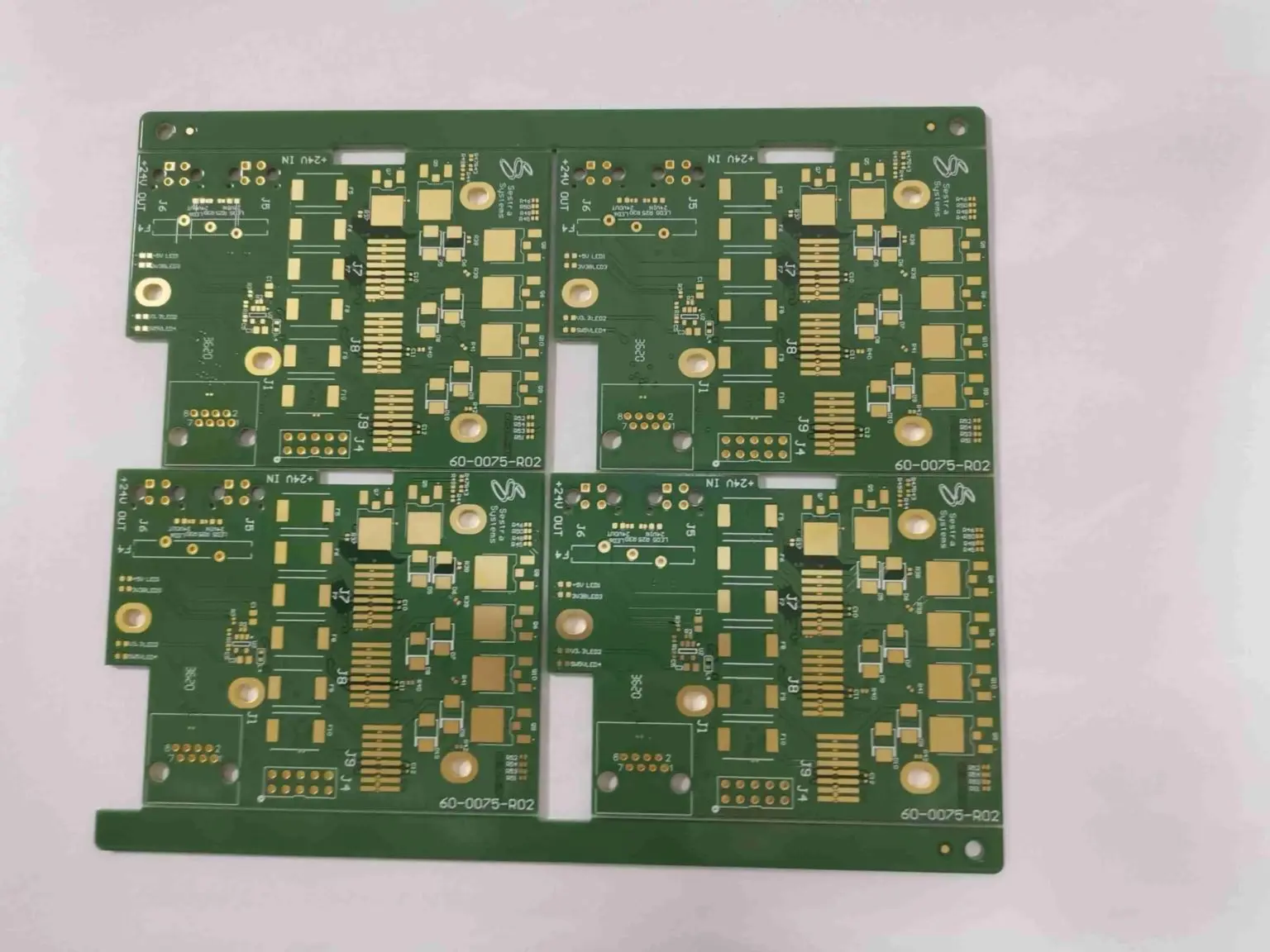
In addition, design for manufacturing and assembly helps engineers detect and eliminate waste in early design stages. This includes unnecessary components, overly complex geometries, and inefficient assembly sequences. As a result, engineers can refine designs before production begins, which reduces rework, scrap rates, and material loss. Ultimately, this improves both cost efficiency and sustainability in engineering projects.
Enhancing Product Reliability and Scalability
Moreover, simplified designs created through it often lead to more reliable products. Fewer parts mean fewer potential failure points during product use. In addition, scalable designs allow manufacturers to increase production volume without significantly increasing complexity. Therefore, companies can respond more effectively to market demand while maintaining consistent quality.
Role of DFMA in Modern Industrial Applications
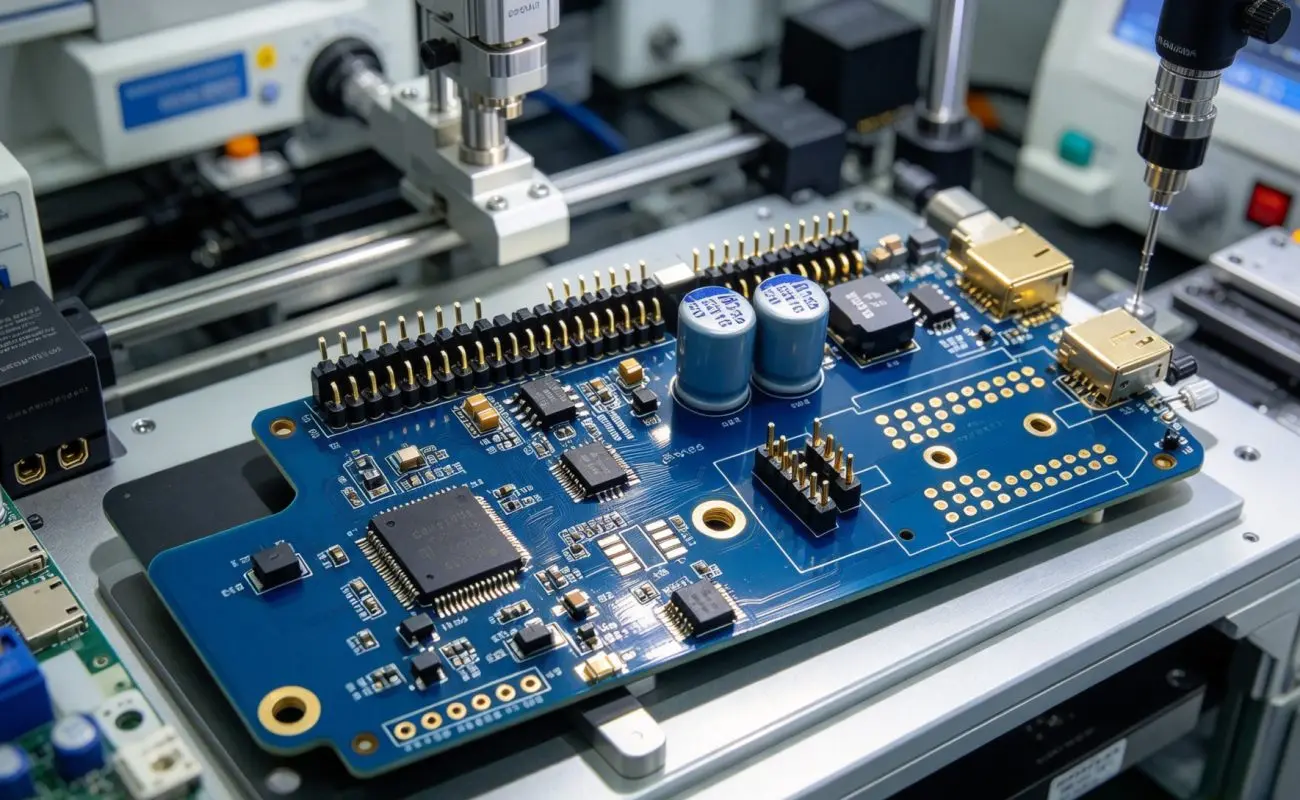
Furthermore, industries such as electronics, automotive, and industrial equipment increasingly rely on DFMA principles. Fully Hong integrates design for manufacturing and assembly into engineering processes to support efficient product development and cost optimization. As a result, companies can transition from prototype to mass production more smoothly and with fewer unexpected costs.
Conclusion: A Strategic Approach to Cost Reduction
In conclusion, design for manufacturing and assembly plays a critical role in reducing production costs in engineering projects. It simplifies product structures, improves assembly efficiency, and minimizes waste throughout the design lifecycle. Ultimately, companies that adopt DFMA early gain a strong competitive advantage by lowering costs, improving scalability, and enhancing overall product quality.




Leave a reply