
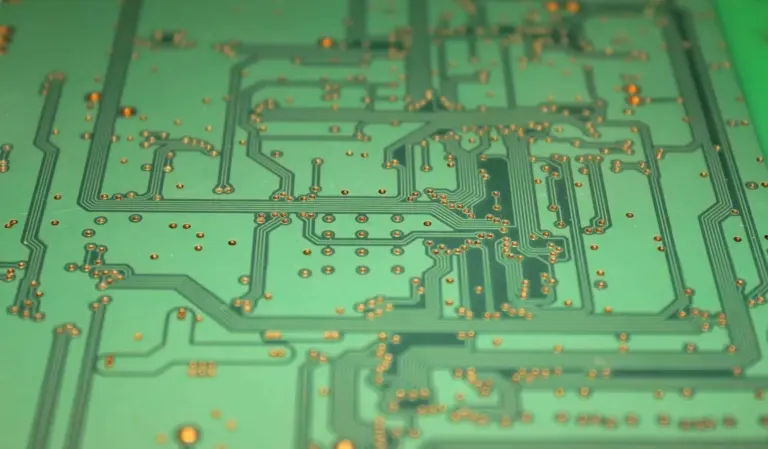
오늘날 엔지니어링 프로젝트는 품질과 확장성을 유지하면서 비용을 절감해야 한다는 끊임없는 압박에 직면해 있습니다.. 결과적으로, 기업들은 생산 최적화를 위해 점점 더 구조화된 설계 방법을 채택하고 있습니다.. 가장 효과적인 접근법 중 하나는 제조 및 조립을 위한 설계, 처음부터 제품 설계와 생산 효율성 목표를 통합하는 제품입니다.. Fully Hong은 엔지니어링 워크플로에 DFMA 원칙을 적용하여 폐기물 감소 및 제조 가능성 향상 다양한 제품 카테고리에 걸쳐.
제조 및 조립을 위한 설계 이해
우선, 두 가지 핵심 방법론을 결합합니다.: 제조 설계 (DFM) 조립을 위한 설계 (DFA). DFM은 부품 생산 단순화에 중점을 둡니다., DFA는 조립 중에 구성요소가 얼마나 쉽게 결합되는지를 향상시킵니다.. 게다가, 이러한 통합을 통해 엔지니어는 생산과 조립을 동시에 평가할 수 있습니다.. 그러므로, 팀은 비효율성을 조기에 식별하고 프로젝트 수명주기 후반에 비용이 많이 드는 재설계를 피할 수 있습니다..
자재 및 생산 비용 절감
제조 및 조립 설계의 가장 직접적인 이점 중 하나는 재료 사용 및 생산 공정의 비용 절감입니다.. 엔지니어가 제품 구조를 단순화하는 경우, 필요한 부품 수를 줄입니다.. 게다가, 부품 수가 적어 가공 속도가 낮아집니다., 압형, 및 재고 비용. 결과적으로, 제조업체는 성능이나 신뢰성을 희생하지 않고도 조달을 간소화하고 전체 생산 비용을 줄일 수 있습니다..
조립 효율성 및 인건비 향상
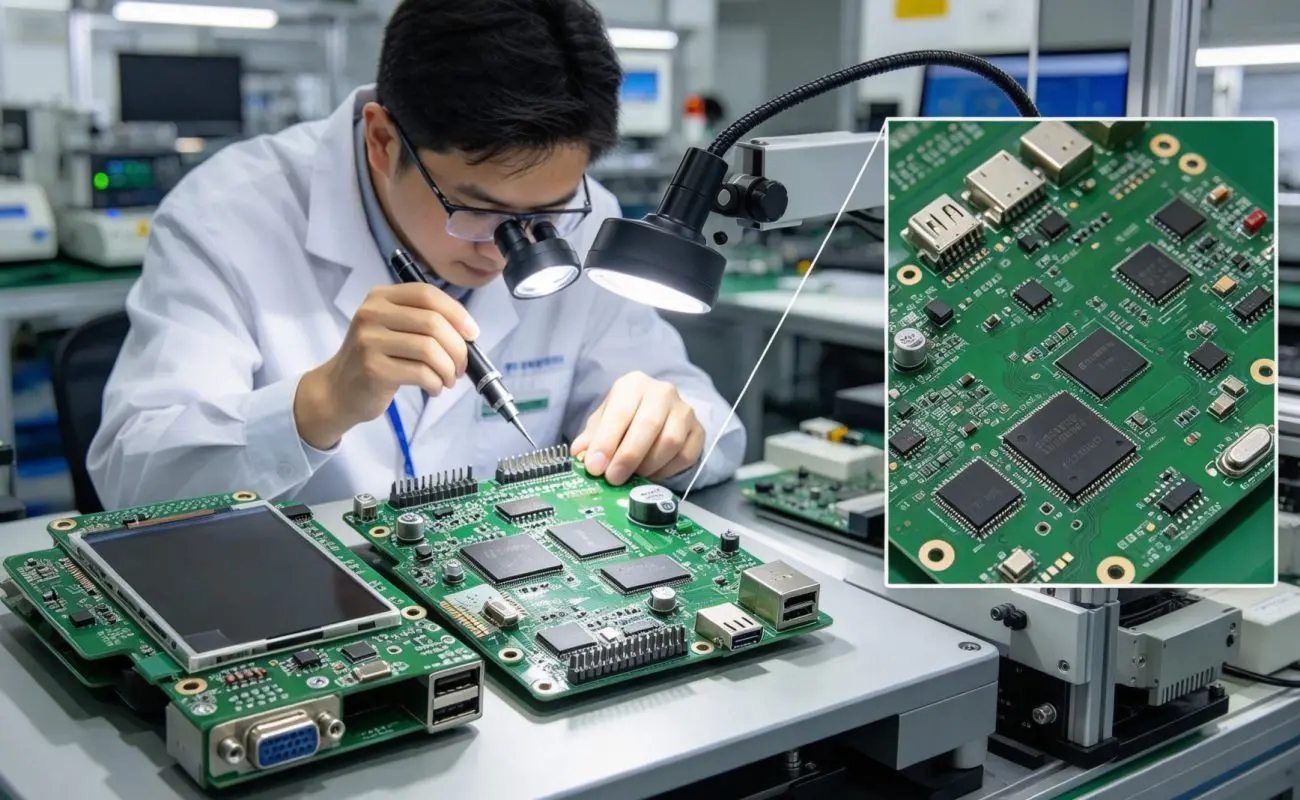
뿐만 아니라, 제조 및 조립을 위한 설계로 조립 복잡성이 크게 감소합니다.. 제품 구조가 단순해지면, 작업자는 정렬에 더 적은 시간을 소비합니다., 죔, 및 검사. 게다가, 표준화된 부품 및 모듈식 설계로 조립 라인 작업 속도 향상. 그러므로, 기업은 생산 속도와 일관성을 높이면서 인건비를 절감합니다..
낭비 최소화 및 설계 비효율성
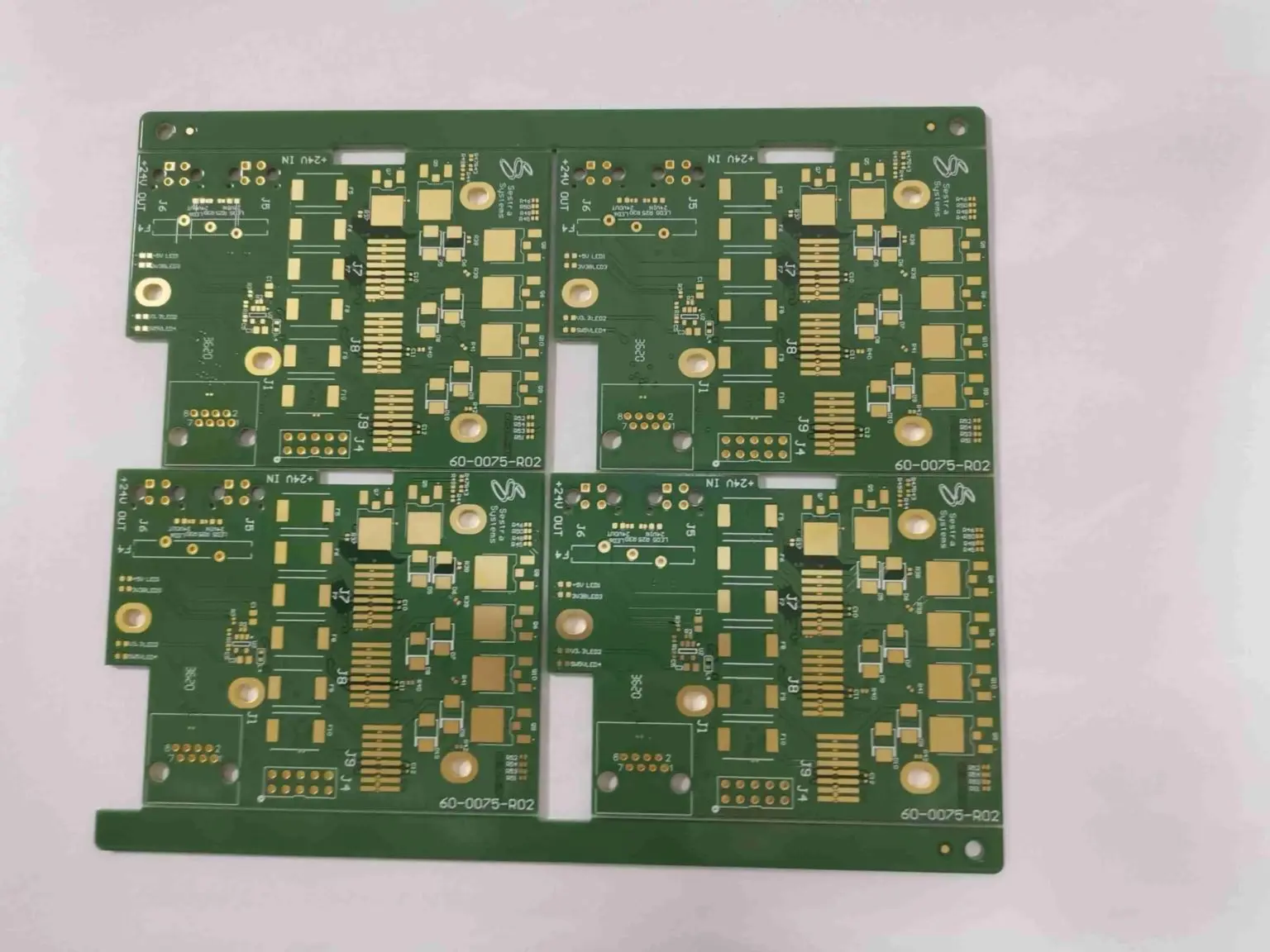
게다가, 제조 및 조립을 위한 설계는 엔지니어가 초기 설계 단계에서 낭비를 감지하고 제거하는 데 도움이 됩니다.. 여기에는 불필요한 구성요소가 포함되어 있습니다., 지나치게 복잡한 기하학, 그리고 비효율적인 조립 순서. 결과적으로, 엔지니어는 생산이 시작되기 전에 설계를 개선할 수 있습니다., 재작업을 줄여주는, 폐기율, 그리고 물질적 손실. 궁극적으로, 이는 엔지니어링 프로젝트의 비용 효율성과 지속 가능성을 모두 향상시킵니다..
제품 신뢰성 및 확장성 강화
게다가, 이를 통해 만들어진 단순화된 디자인은 종종 보다 안정적인 제품으로 이어집니다.. 부품 수가 적다는 것은 제품 사용 중 잠재적인 실패 지점이 적다는 것을 의미합니다.. 게다가, 확장 가능한 설계를 통해 제조업체는 복잡성을 크게 증가시키지 않고도 생산량을 늘릴 수 있습니다.. 그러므로, 기업은 일관된 품질을 유지하면서 시장 수요에 보다 효과적으로 대응할 수 있습니다..
현대 산업 응용 분야에서 DFMA의 역할
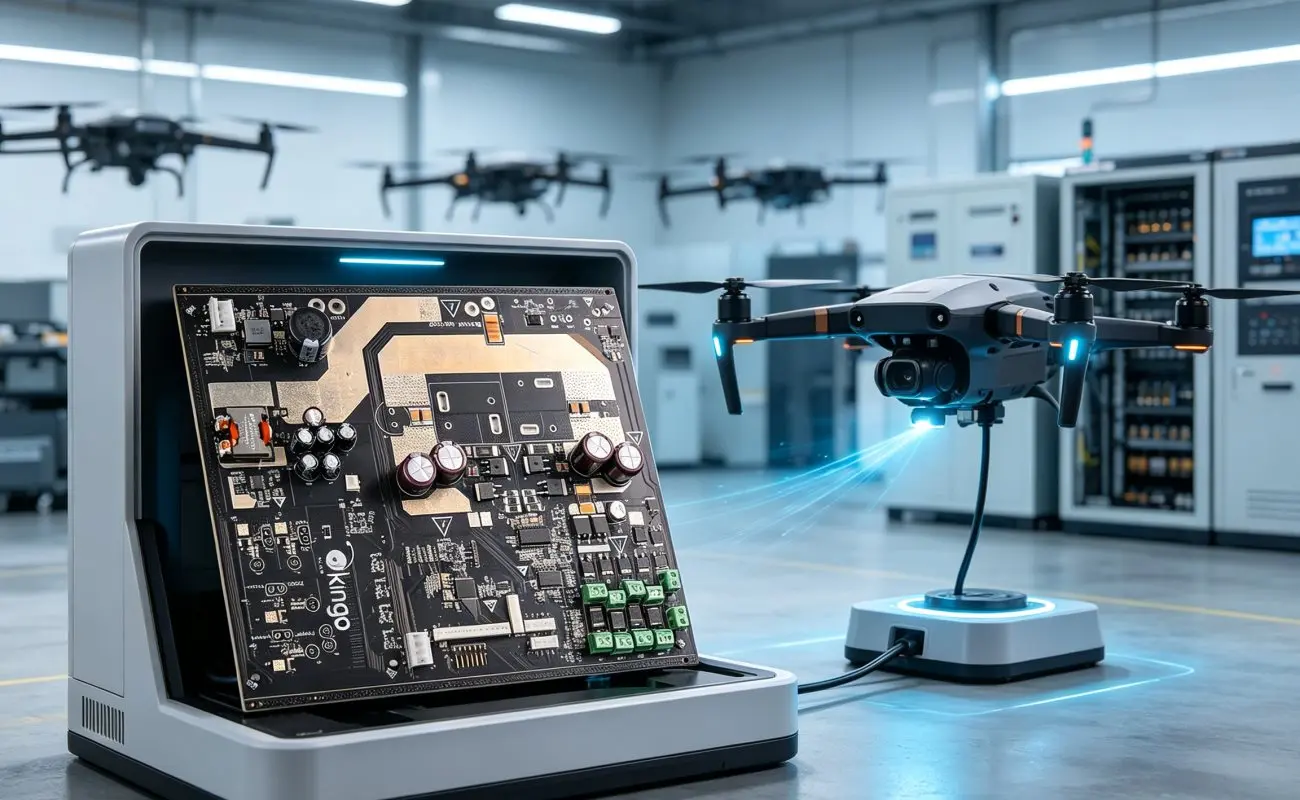
뿐만 아니라, 전자와 같은 산업, 자동차, 산업용 장비는 점점 더 DFMA 원칙에 의존하고 있습니다.. 완전 홍 효율적인 제품 개발 및 비용 최적화를 지원하기 위해 제조 및 조립 설계를 엔지니어링 프로세스에 통합합니다.. 결과적으로, 기업은 프로토타입에서 대량 생산으로 보다 원활하고 예상치 못한 비용으로 전환할 수 있습니다..
결론: 비용 절감을 위한 전략적 접근
결론적으로, 제조 및 조립을 위한 설계는 엔지니어링 프로젝트에서 생산 비용을 줄이는 데 중요한 역할을 합니다.. 제품 구조를 단순화합니다., 조립 효율성 향상, 설계 수명주기 전반에 걸쳐 낭비를 최소화합니다.. 궁극적으로, DFMA를 조기에 채택한 기업은 비용 절감을 통해 강력한 경쟁 우위를 확보합니다., 확장성 향상, 전반적인 제품 품질 향상.



답장을 남겨주세요