
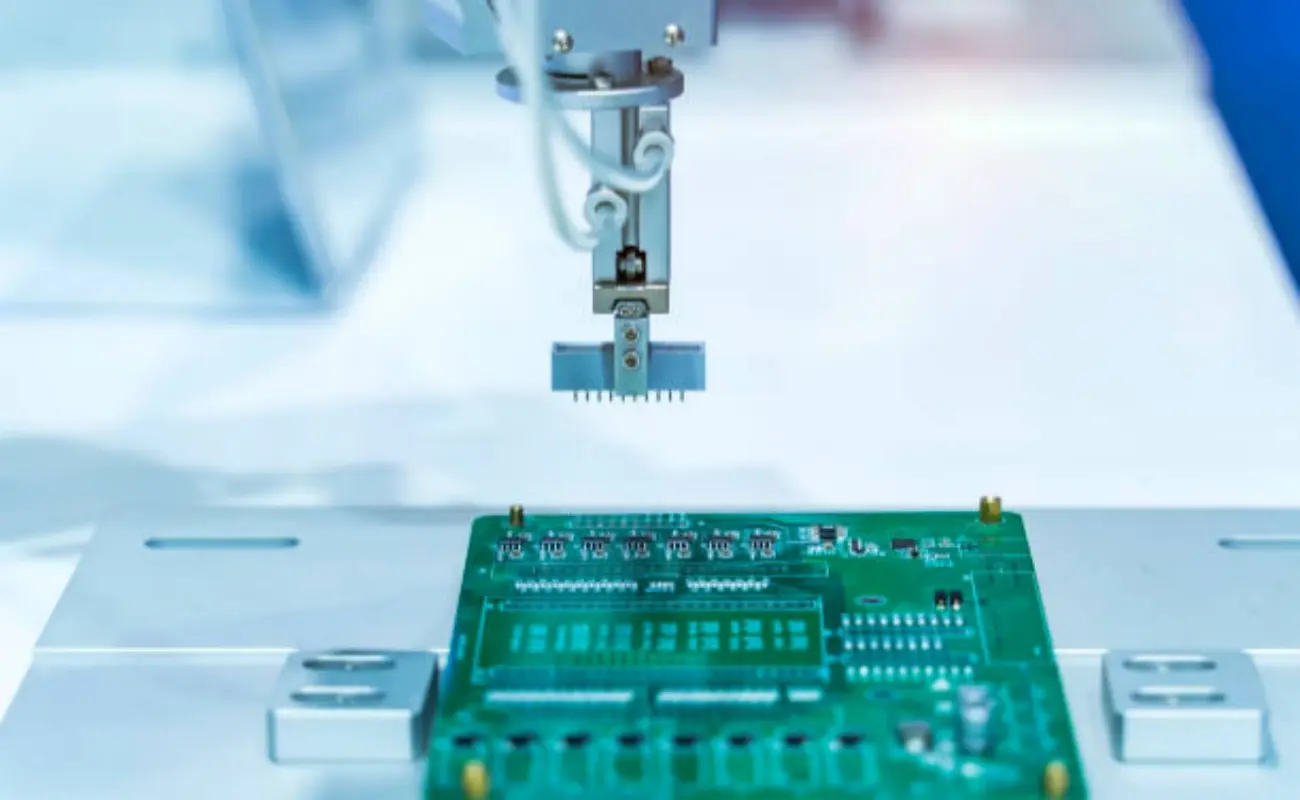
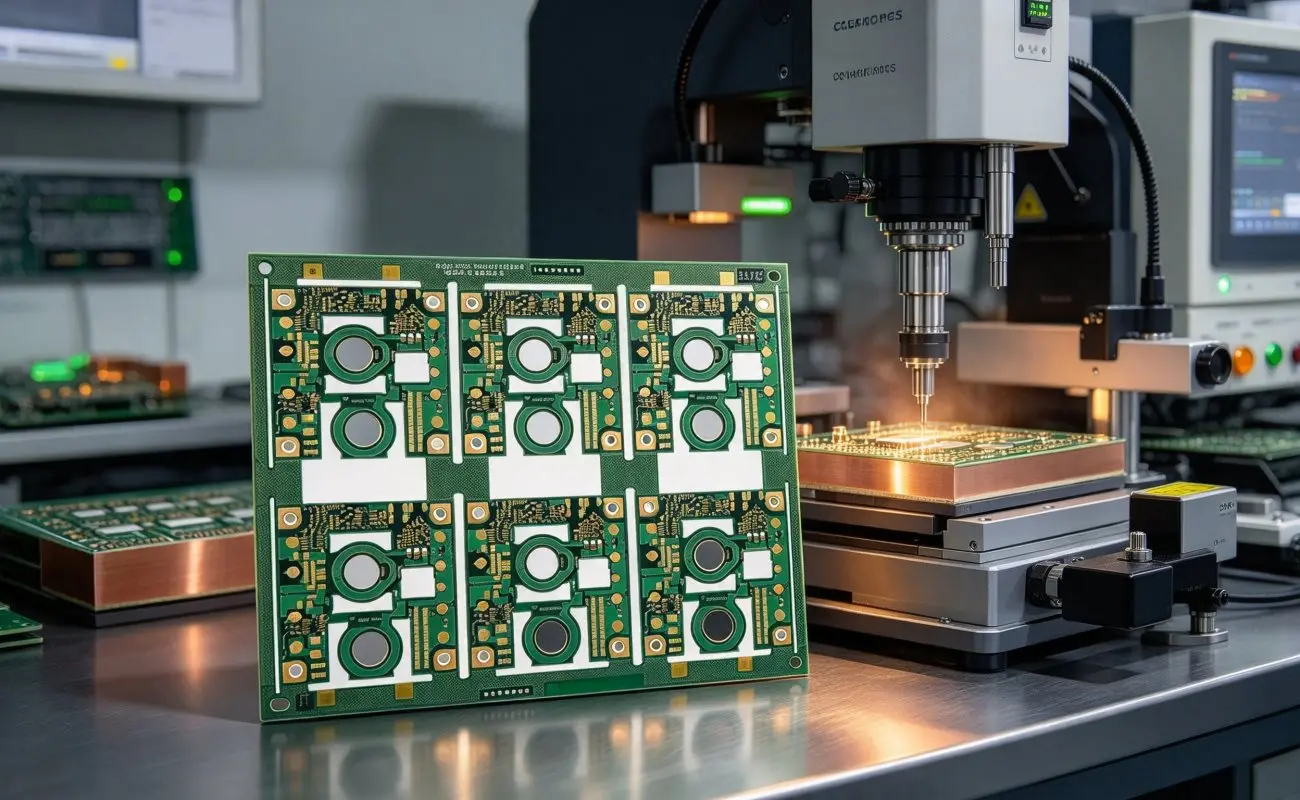
Thiết bị công nghiệp yêu cầu độ bền cao, đáng tin cậy, và các linh kiện điện tử hiệu suất cao để hoạt động hiệu quả trong những điều kiện khắt khe. Một trong những yếu tố quan trọng nhất trong các hệ thống này là PCB cứng nhắc.. Không giống như PCB linh hoạt hoặc PCB cứng nhắc, các nhà sản xuất chế tạo PCB cứng với chất nền rắn mang lại độ bền cơ học đặc biệt, ổn định nhiệt, và độ tin cậy điện. Những tính năng này làm cho PCB cứng trở thành lựa chọn ưa thích cho các ứng dụng công nghiệp nơi hiệu suất ổn định và độ bền lâu dài là điều cần thiết.
Độ bền và độ bền cơ học
Lý do chính khiến các thiết bị công nghiệp phụ thuộc vào PCB cứng là do độ bền chưa từng có của nó.. Chất nền rắn giúp bo mạch chịu được áp lực cơ học, rung động, và sốc thường thấy trong môi trường công nghiệp. Do đó, Bộ điều khiển tự động hóa, cảm biến công nghiệp, và máy móc hạng nặng duy trì chức năng ổn định trong thời gian dài mà không gây nguy cơ hư hỏng hoặc hư hỏng bo mạch. Full Hong chuyên sản xuất PCB cứng chất lượng cao đáp ứng các tiêu chuẩn công nghiệp khắt khe.
Độ tin cậy nhiệt và điện
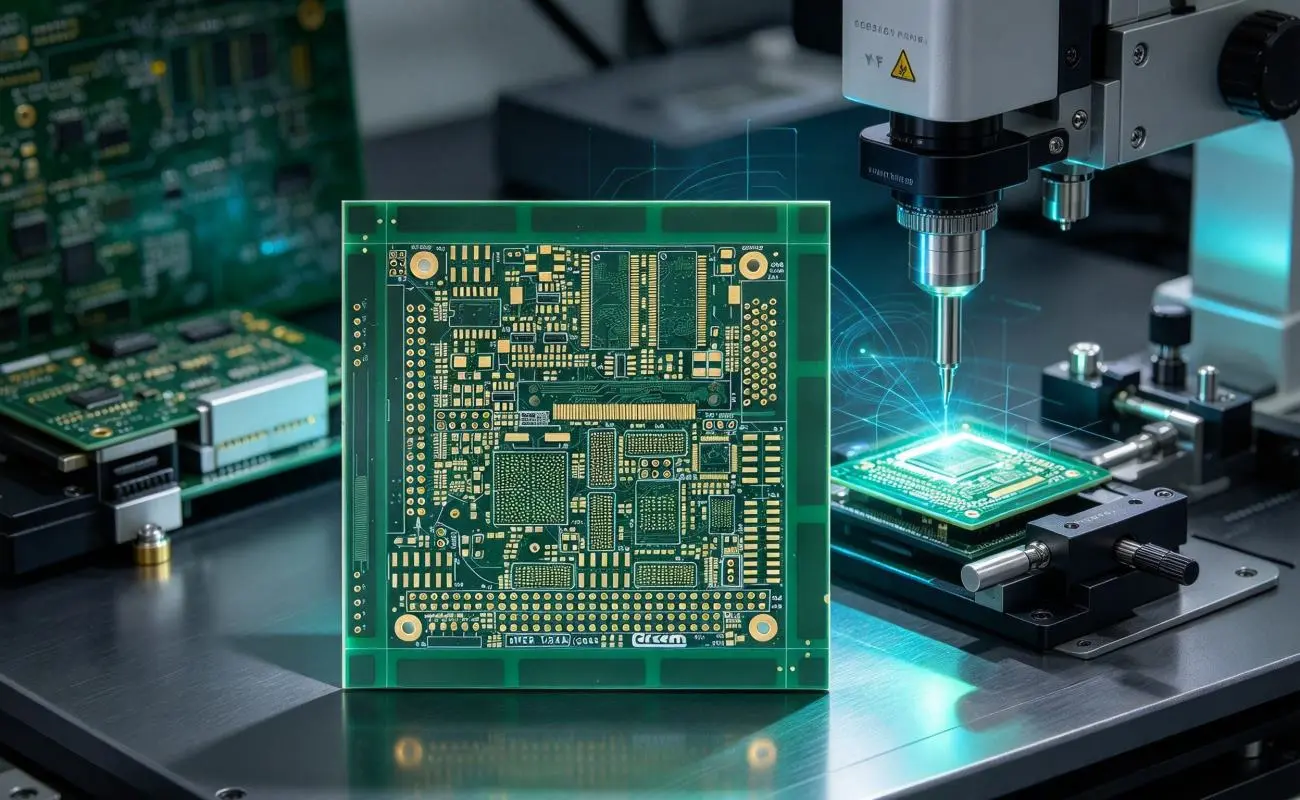
Ngoài ra, PCB cứng nhắc cung cấp khả năng quản lý nhiệt tuyệt vời và ổn định điện. Cấu trúc vững chắc của chúng tản nhiệt hiệu quả từ các bộ phận công suất cao, điều này rất quan trọng đối với các thiết bị công nghiệp hoạt động liên tục hoặc chịu tải nặng. Hơn thế nữa, các đường dẫn điện nhất quán làm giảm nguy cơ mất tín hiệu hoặc nhiễu, đảm bảo vận hành thiết bị chính xác. Vì thế, Công nghệ PCB cứng nhắc nâng cao cả hiệu suất và độ tin cậy.
An toàn và chống cháy
Một ưu điểm quan trọng khác của PCB cứng trong môi trường công nghiệp là tính an toàn vốn có của nó.. Các nhà sản xuất sử dụng vật liệu chống cháy để chế tạo nhiều PCB cứng, giúp bảo vệ các thiết bị điện tử quan trọng khỏi nguy cơ hỏa hoạn. Tính năng này đóng vai trò quan trọng trong các nhà máy, nhà máy điện, và các môi trường có rủi ro cao khác, nơi các tiêu chuẩn an toàn vẫn nghiêm ngặt. Bằng cách tích hợp PCB cứng vào thiết kế của họ, nhà sản xuất cải thiện độ an toàn của sản phẩm đồng thời bảo vệ cả thiết bị và nhân sự.
Bảo trì dài hạn và hiệu quả chi phí
Các thiết bị công nghiệp thường yêu cầu độ tin cậy hoạt động lâu dài với mức bảo trì tối thiểu. PCB cứng hỗ trợ mục tiêu này bằng cách giảm nhu cầu sửa chữa và thay thế. Cấu trúc chắc chắn và độ ổn định nhiệt giúp ngăn ngừa sự xuống cấp của các bộ phận, từ đó làm giảm thời gian ngừng hoạt động và chi phí bảo trì. Kết quả là, các nhà khai thác công nghiệp đạt được lợi tức đầu tư cao hơn khi họ chọn công nghệ PCB cứng nhắc.
Tính linh hoạt trong ứng dụng công nghiệp
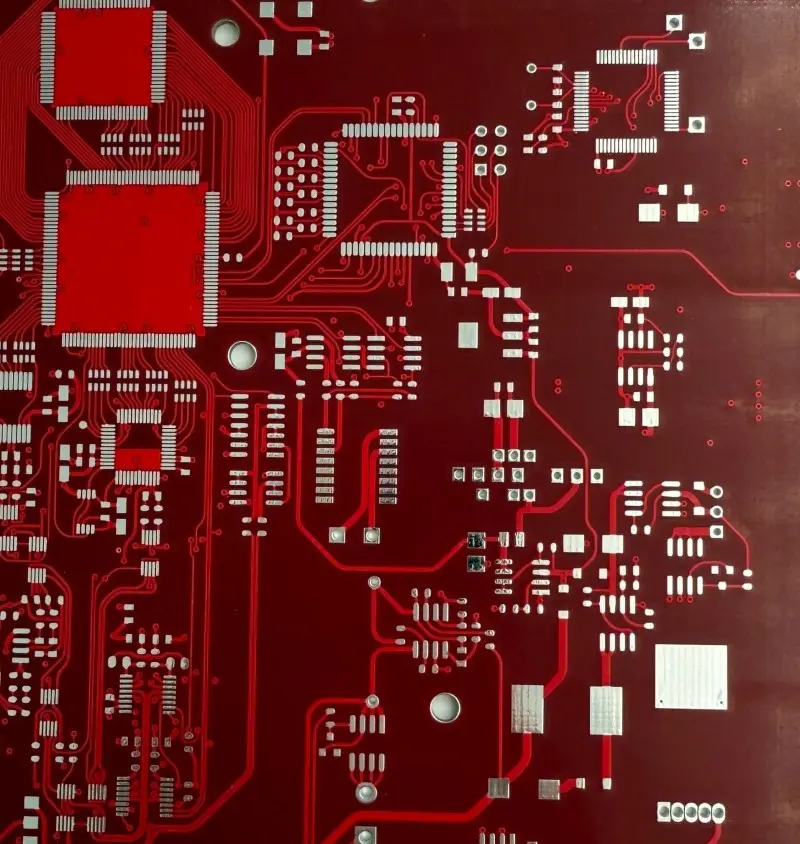
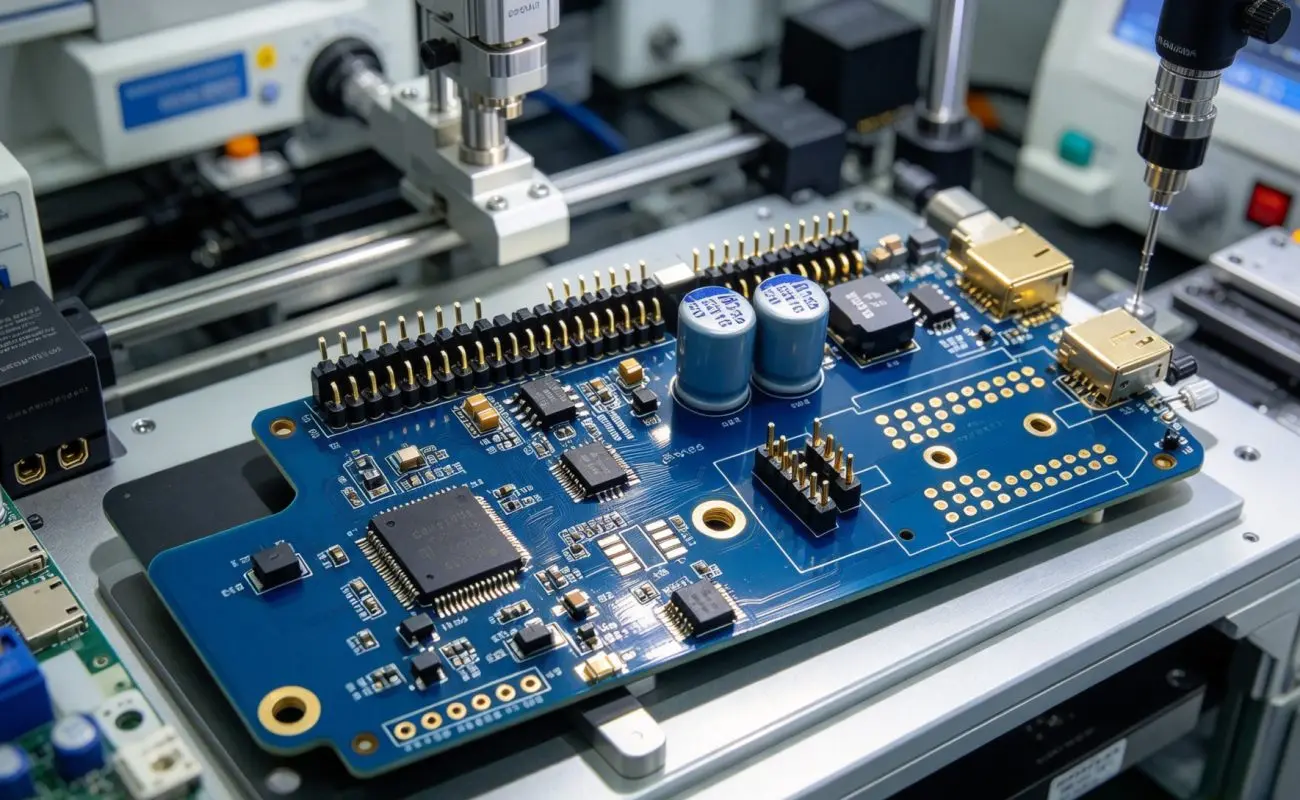
Cuối cùng, PCB cứng nhắc mang lại tính linh hoạt tuyệt vời và hỗ trợ các thiết kế mạch phức tạp, nhiều lớp, và các thành phần mật độ cao. Tính linh hoạt này cho phép các kỹ sư sử dụng chúng trong nhiều loại thiết bị công nghiệp, từ bộ điều khiển logic khả trình (PLC) đến các hệ thống robot và các đơn vị điều khiển quá trình. Ngoài ra, nhà sản xuất có thể tùy chỉnh PCB cứng theo yêu cầu thiết kế cụ thể, mang lại cho các kỹ sư sự tự do hơn khi phát triển các ứng dụng công nghiệp.
Phần kết luận
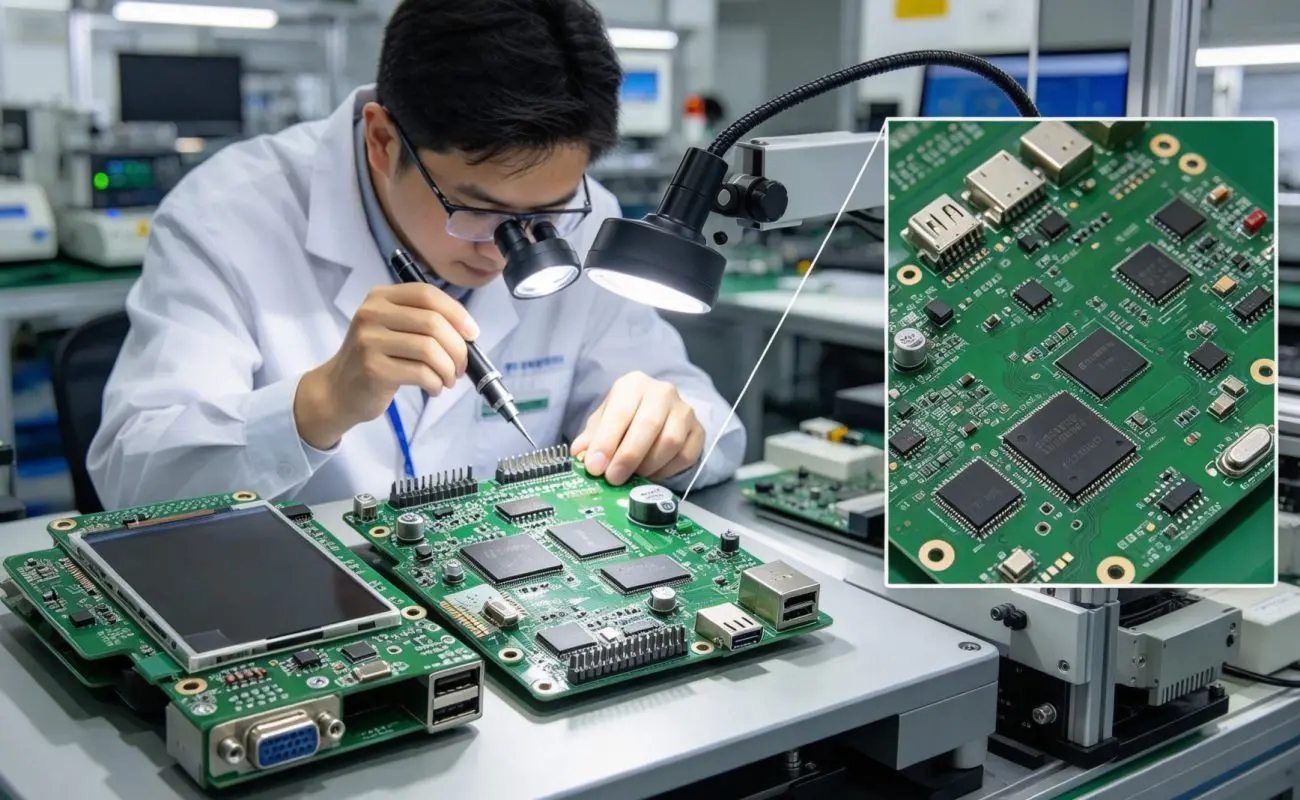
Tóm lại, các thiết bị công nghiệp dựa vào công nghệ PCB cứng nhắc vì nó mang lại độ bền, sức mạnh cơ học, độ tin cậy nhiệt và điện, chống cháy, và hiệu quả chi phí lâu dài. Hoàn toàn hong cung cấp PCB cứng chất lượng cao được thiết kế để đáp ứng các yêu cầu khắt khe của môi trường công nghiệp. Bằng cách lựa chọn giải pháp PCB cứng nhắc, nhà sản xuất đảm bảo đáng tin cậy, an toàn, và hoạt động hiệu quả đồng thời hỗ trợ hiệu suất tốt hơn và tuổi thọ thiết bị dài hơn.

Để lại một câu trả lời