
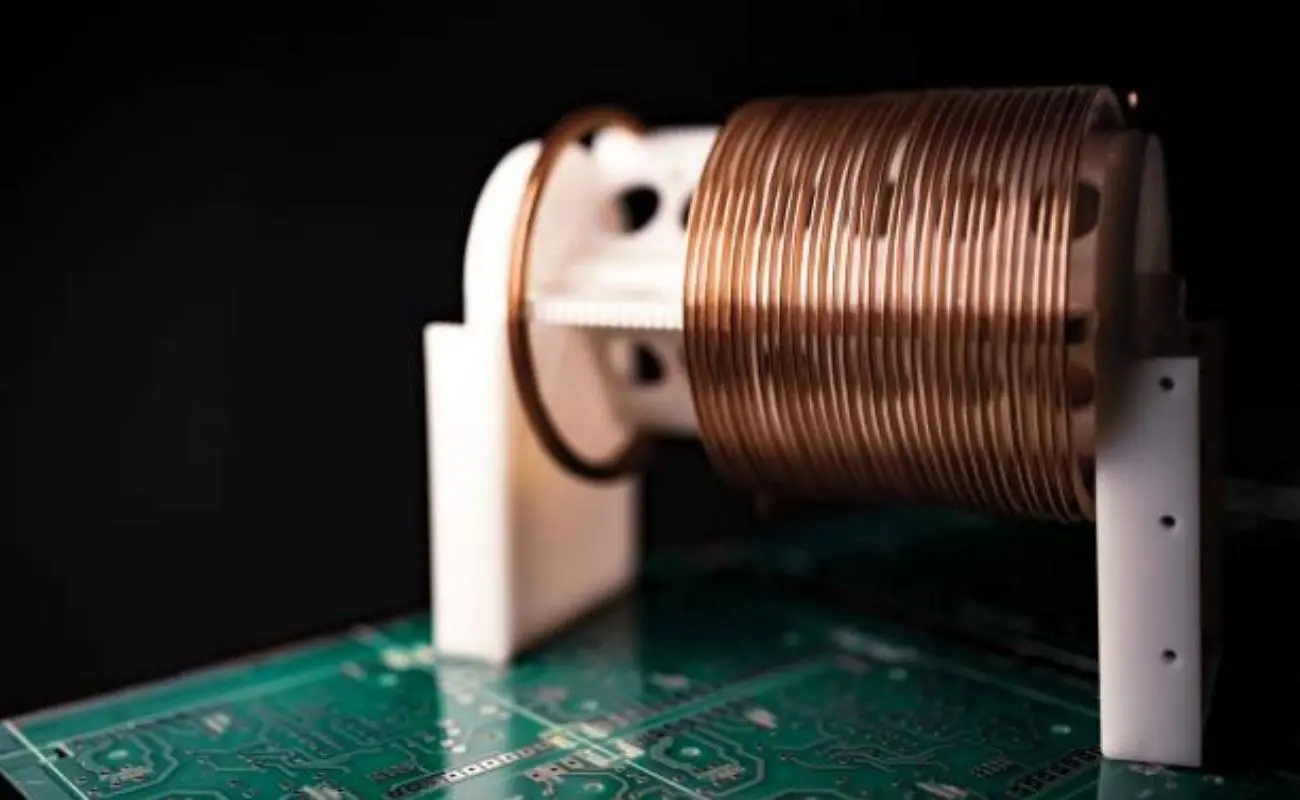
High-power electronics face heat, current, vibration, and environmental stress. Therefore, circuit boards need strong electrical and mechanical performance. A high current circuit board must also maintain a stable surface during assembly and long-term use. ENIG surface treatment helps meet this need. It protects copper from oxidation and supports reliable soldering. As a result, ENIG adds another layer of protection for industrial power supplies, renewable energy equipment, and automotive electronics.
How ENIG Protects the Copper Surface
ENIG uses a nickel barrier and a thin gold layer. The nickel layer protects the copper from direct environmental exposure. Meanwhile, the gold layer helps prevent oxidation on the surface. Therefore, the PCB can maintain good solderability during assembly and later use. The nickel layer measures about 3–5μm, while the gold layer measures about 0.05–0.1μm. This structure offers useful surface protection without changing the core electrical design. Moreover, it suits applications that require stable connections over long operating periods.
3OZ Copper Supports High Current Loads
The PCB uses 3OZ copper on all 14 layers. This equals about 105μm of copper thickness. Such heavy copper supports demanding power circuits and large current paths. Under suitable design conditions, each trace can support up to 30A. Therefore, this high current circuit board can suit IGBTs, power MOSFETs, and large inductors. Heavy copper also helps reduce resistance, voltage drop, and heat from current flow. As a result, engineers can build stronger power paths while keeping useful space for signal and ground layers.
FR4 High Tg170 Improves Thermal Stability
High-power circuits often generate significant heat during continuous operation. The substrate must therefore remain stable under elevated temperatures. This PCB uses FR4 High Tg170 material with a glass transition temperature of 170°C. The material helps maintain mechanical and electrical stability during thermal stress. Furthermore, it works well with the board’s heavy copper construction. Together, these materials support applications that require stable operation under demanding thermal conditions.
3.5mm Thickness Adds Mechanical Strength
Mechanical stability also matters in industrial and automotive environments. This PCB uses a 3.5mm board thickness to provide a rigid structure. The added thickness can support larger components and help resist mechanical stress. Therefore, the construction suits equipment that may experience vibration or movement. In addition, the thick structure supports the overall durability of the multilayer design. This makes the board a practical option for power equipment and industrial control systems.
14-Layer Design Supports Complex Routing
Modern electronic systems often combine power circuits, control signals, and communication interfaces. A 14-layer structure gives engineers more space for these functions. The typical design includes eight signal layers and six power or ground planes. This arrangement helps organize power distribution and signal routing. Moreover, engineers can separate sensitive signals from high-current paths more effectively. Optional impedance control can also support selected high-speed interfaces. Consequently, the high current circuit board can accommodate complex mixed-signal designs while maintaining dedicated areas for power distribution.
Manufacturing Processes Improve PCB Consistency
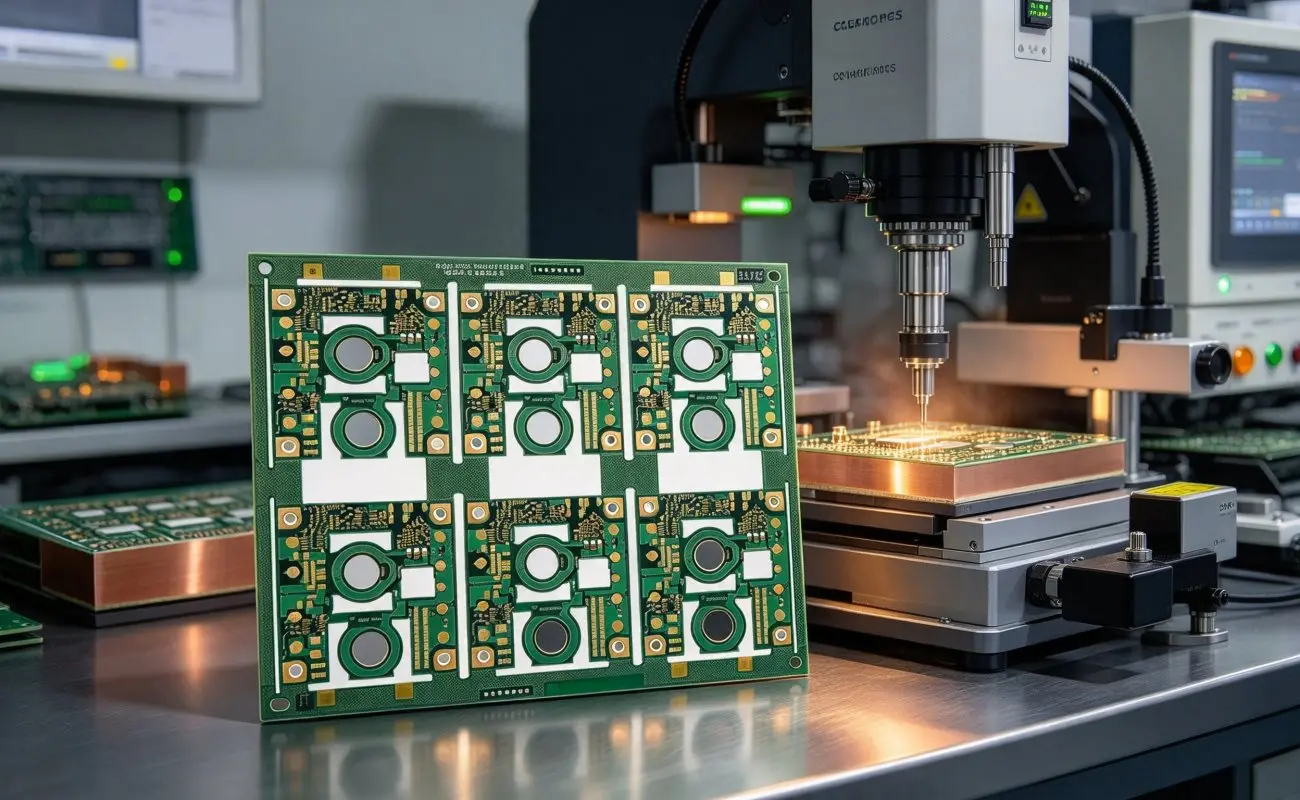
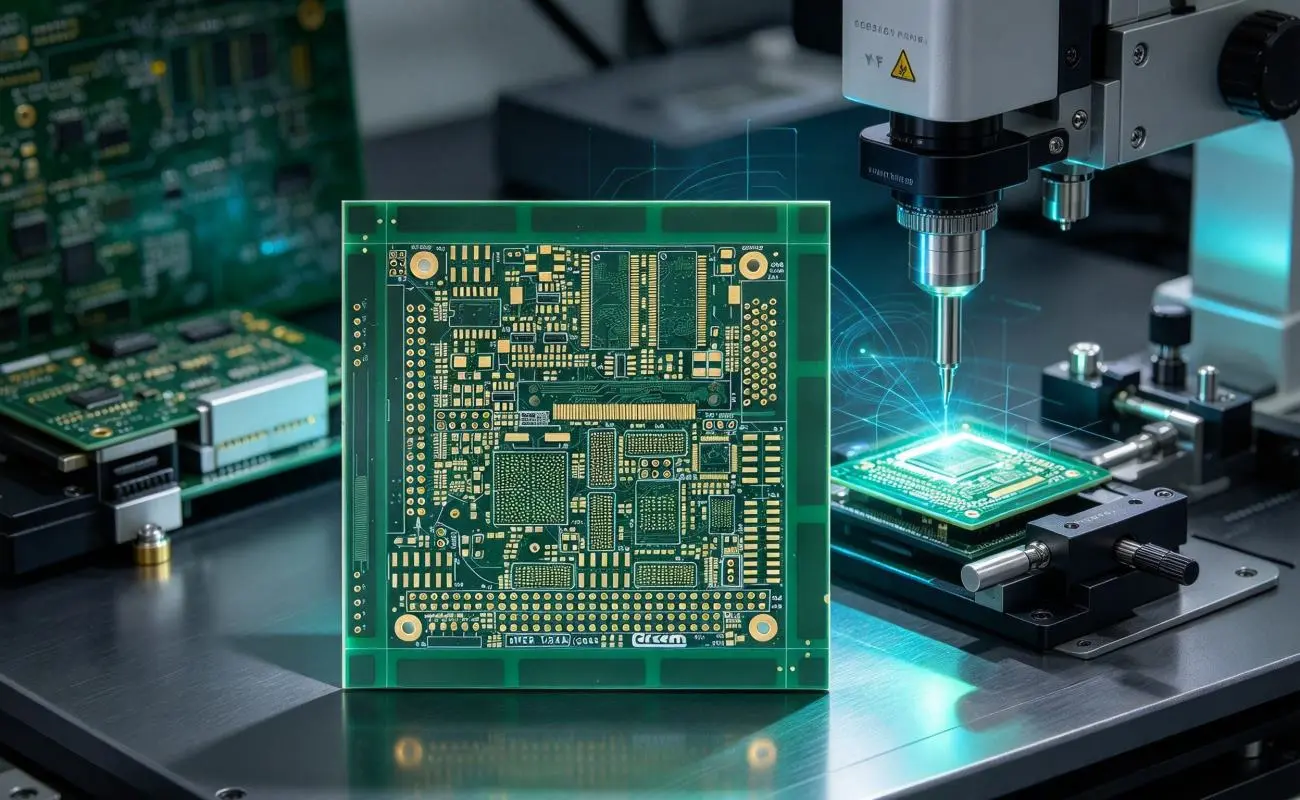
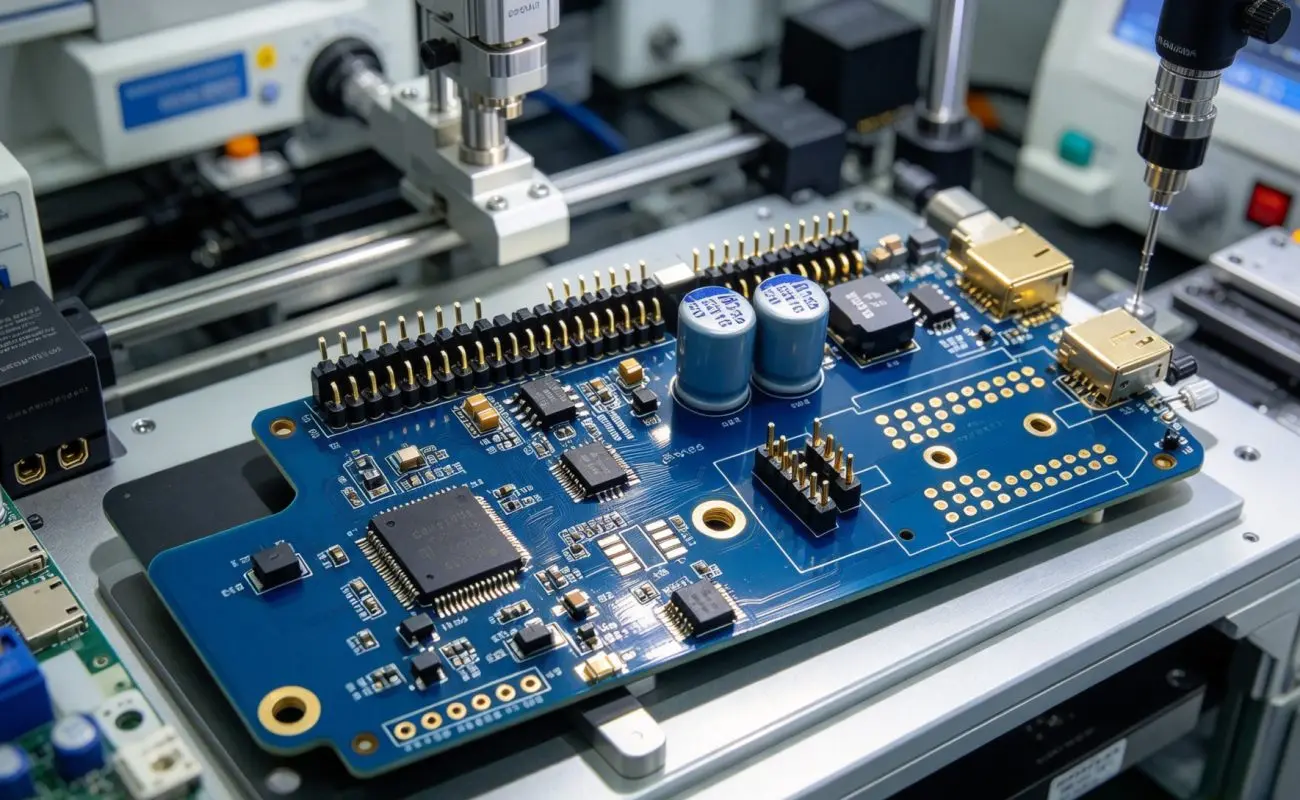
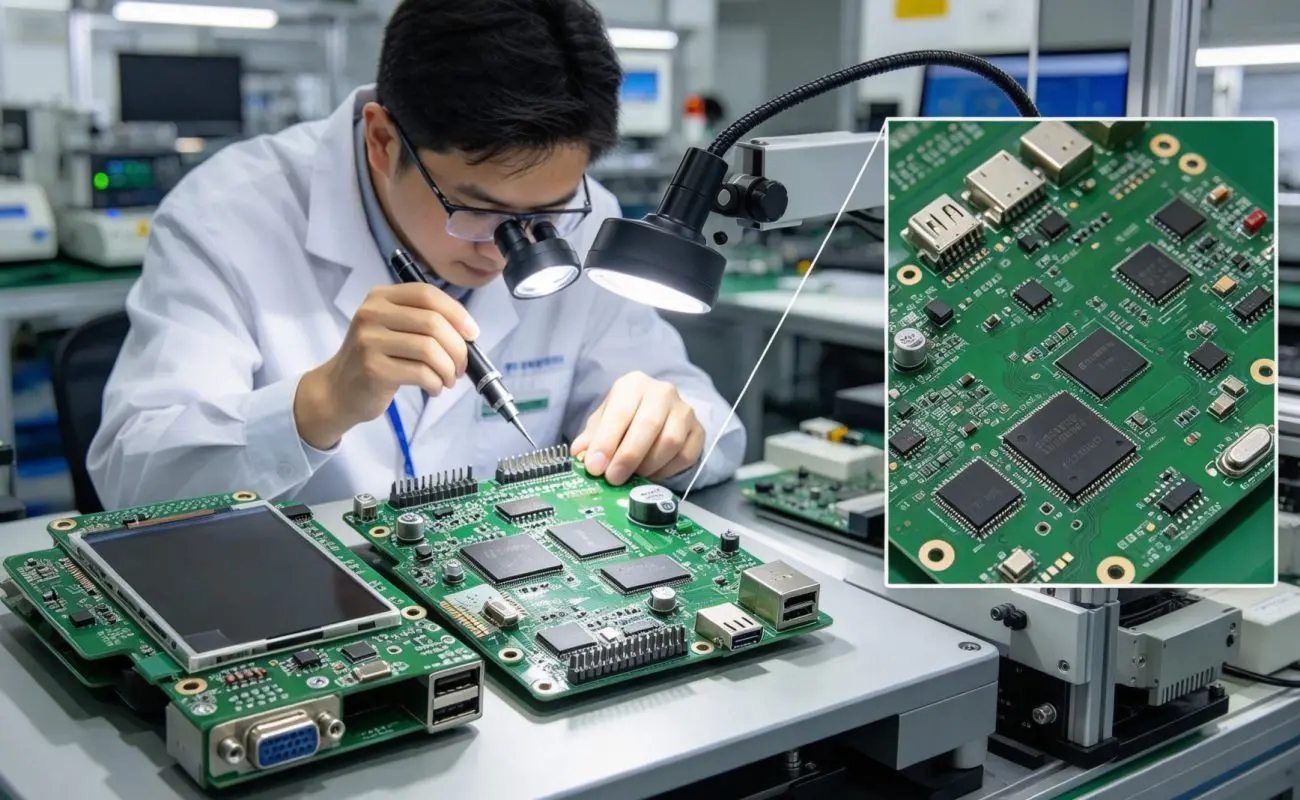
Heavy copper and multilayer construction require careful process control. DFM analysis helps engineers optimize the layer stack-up, copper layout, and via positions. Laser drilling supports the 0.5mm minimum hole diameter and approximately ±10μm accuracy. Electrolytic copper plating helps maintain consistent 3OZ copper thickness across the board. Cross-sectional analysis can then verify the copper structure. In addition, 100% AOI checks visible PCB features, while X-ray inspection examines internal layers. These processes help reduce manufacturing defects and improve production consistency.
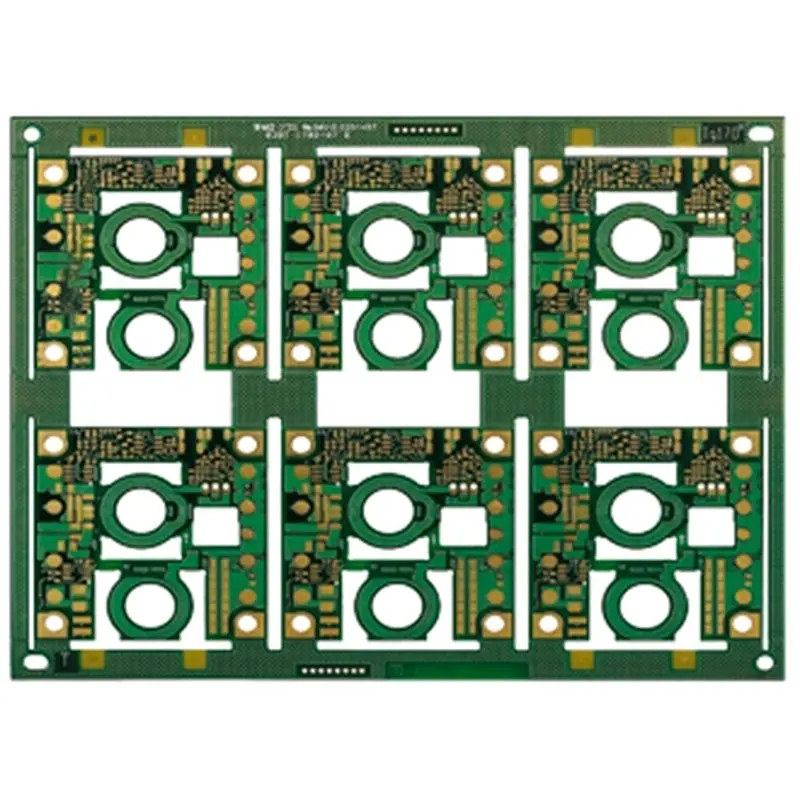
Key Product Advantages
This PCB combines several features for demanding power applications:
- 3OZ copper on all layers: Supports high-current power paths and helps control resistive heat.
- ENIG surface treatment: Protects the copper surface and supports stable solderability.
- FR4 High Tg170: Provides improved stability under elevated temperatures.
- 3.5mm board thickness: Adds structural strength for demanding environments.
- 14-layer architecture: Provides flexible routing for power, signal, and ground circuits.
- Up to 30A per trace: Supports appropriately designed high-power applications.
- 0.5mm minimum hole diameter: Accommodates through-hole components and thermal vias.
- AOI and X-ray inspection: Helps verify surface and internal PCB quality.
ENIG vs. Bare Copper
Surface treatment affects PCB durability and assembly performance. Bare copper offers strong electrical conductivity, but its exposed surface can oxidize over time. ENIG adds nickel and gold protection over the copper. Therefore, it can provide better surface stability during storage, assembly, and operation. The following comparison highlights the main differences.
| Feature | ENIG Surface | Bare Copper |
|---|---|---|
| Oxidation Protection | High | Limited |
| Solderability | Stable | More affected by oxidation |
| Surface Durability | Strong | Moderate |
| Corrosion Resistance | Improved | Lower |
| Long-Term Surface Stability | High | Environment dependent |
As a result, ENIG can provide an important advantage for electronic systems that require consistent surface performance.
Industrial Power Applications
Industrial equipment often runs for long periods under electrical and thermal stress. Motor drives, power supplies, control panels, and power conversion systems require stable current distribution. The 3OZ copper structure supports demanding current paths. Meanwhile, High Tg170 material helps manage elevated temperatures. The ENIG finish also protects the external copper surface. Therefore, this high current circuit board can fit industrial power applications that require strong current capacity and stable operation.
Renewable Energy and Automotive Systems
Renewable energy equipment also places high demands on PCB performance. Solar inverters and battery management systems handle continuous electrical loads. Automotive power systems can also experience heat, vibration, and temperature changes. The heavy copper layers support high-current paths in these applications. Meanwhile, the High Tg170 substrate supports thermal stability. ENIG adds protection to the external conductive surface. Together, these features make the high current circuit board suitable for appropriately designed renewable energy and automotive electronics.
Why Choose Fully Hong?
Fully Hong focuses on PCB solutions for demanding electronic applications. This 14-layer heavy copper PCB combines 3OZ copper, FR4 High Tg170 material, 3.5mm thickness, and ENIG surface treatment. The design supports complex power and mixed-signal layouts. Furthermore, controlled production and inspection processes help maintain consistent quality. The board can therefore support projects that require strong electrical performance and durable construction from prototype development to production.
Conclusion
High-power electronics need more than thick copper. Material selection, surface treatment, thermal stability, mechanical strength, and manufacturing control all affect PCB performance. This 14-layer design combines 3OZ copper with FR4 High Tg170 material and a 3.5mm structure. Its ENIG finish also protects the copper surface and supports stable soldering. Therefore, this high current circuit board provides a balanced solution for demanding industrial, renewable energy, automotive, and power electronic applications.



Leave a reply