
Introduction to Flexible Printed Circuits (FPC)
Flexible Printed Circuits (FPC) are at the heart of modern electronics — combining lightweight, space-saving, Và adaptive features that redefine circuit design.
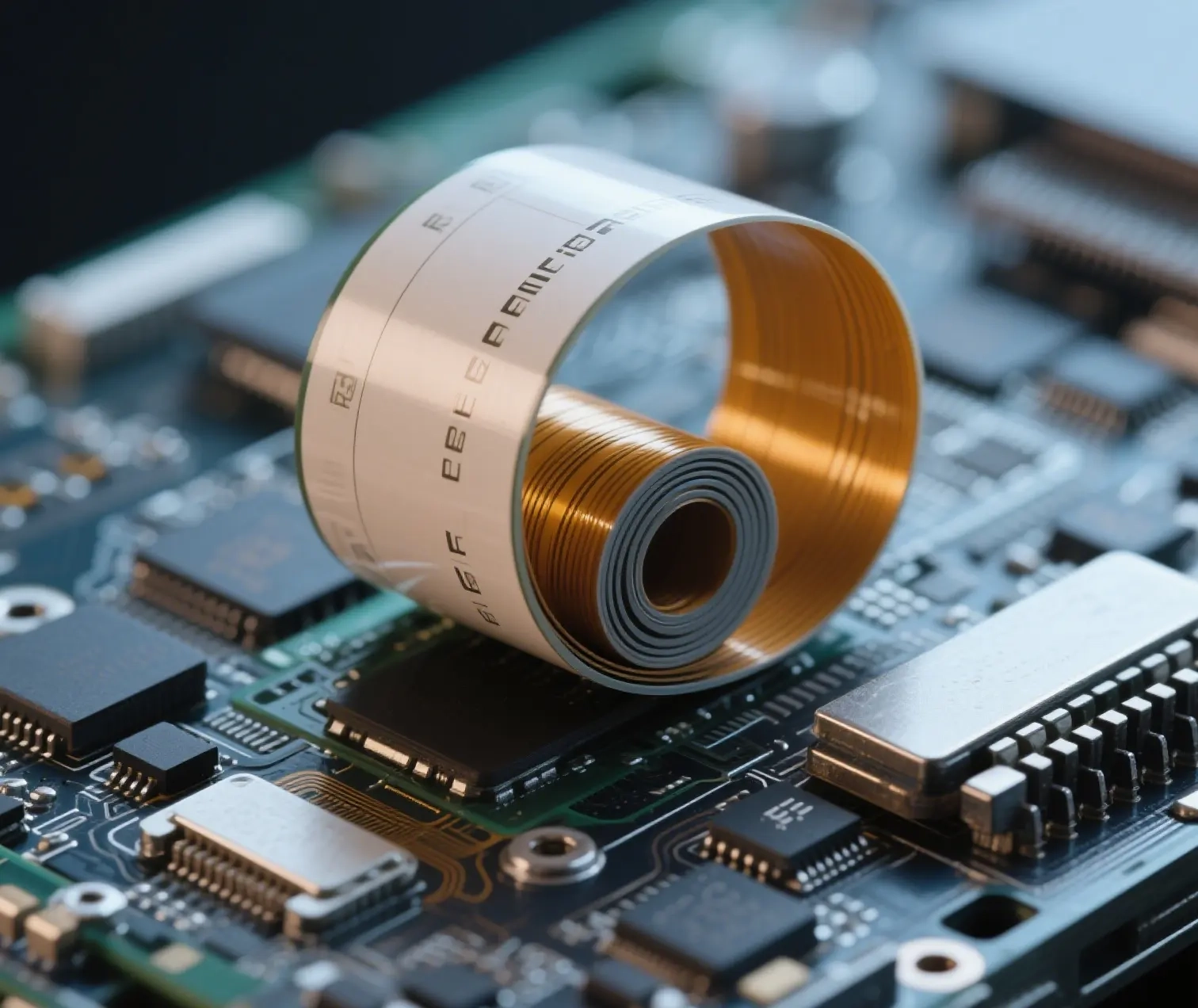
What is FPC
FPCs are flexible circuit boards that can bend, twist, and fold, making them ideal for compact and dynamic devices.
Key Attributes:
-
Flexibility for intricate designs
-
Lightweight and thin
-
Suitable for tight spaces and 3D arrangements
-
Durable under mechanical stress

FPC Production Process
FPC manufacturing involves precision engineering Và multi-step fabrication. Here’s a typical workflow:
1️⃣ Substrate Preparation
Use of Polyimide or Polyester films
Copper foil laminated via adhesive or adhesiveless methods
2️⃣ Circuit Design & Photolithography
CAD software generates circuit
UV light exposure through photomask defines the pattern
3️⃣ Etching
Chemical solution removes unwanted copper
Clean-up leaves precise circuitry
4️⃣ khoan & mạ
Micro-vias made via laser or mechanical drilling
Electroplating ensures conductivity
5️⃣ Coverlay Application
Polyimide coverlay shields from moisture/dust
Openings made for solder pads
6️⃣ Surface Finishing
Common finishes: Đồng ý, chảy máu, OSP
7️⃣ Cuộc họp & Kiểm tra
Components soldered
Rigorous QC testing
Materials Used in FPC
| Thành phần | Vật liệu | Characteristics |
|---|---|---|
| Substrate | Polyimide / Polyester | Thermal stability, flexibility |
| Conductor | Lá đồng | Excellent conductivity |
| Adhesives | Epoxy / Acrylic | Layer bonding |
| Protective Layer | Polyimide films / LPI | Circuit shielding |
| Hoàn thiện bề mặt | Đồng ý, OSP, Bạc | Solderability & độ bền |
Where FPCs Are Used
FPCs are widely applied in industries where độ tin cậy, miniaturization, Và flexibility are key.
🔌 Điện tử tiêu dùng
-
Điện thoại thông minh, máy tính bảng, thiết bị đeo
-
Enables foldable screens & compact internals
🚘 Ô tô
-
Used in sensors, bảng điều khiển, infotainment
-
Tolerant to vibration & nhiệt
🏥 Thiết bị y tế
-
Hearing aids, imaging tools, diagnostic equipment
🚀 Không gian vũ trụ & Phòng thủ
-
Satellites, avionics, mission-critical systems
🤖 Công nghiệp & Robotics
-
Confined space installations, motion applications
🌐 IoT & Wearables
-
Smartwatches, fitness bands, smart tags
Advantages of FPC
-
✅ Freely bendable & foldable – suitable for 3D wiring
-
✅ Compact & lightweight – perfect for miniaturized designs
-
✅ Good heat dissipation & solderability
-
✅ Reduced assembly complexity & overall cost
-
✅ Hard-Soft board hybrid designs can carry more components

Disadvantages of FPC
-
High initial cost – due to custom design and tooling
-
Difficult to modify/repair – requires access to base photomask
-
Size limitations – production equipment may limit board size
-
Fragility during handling – needs trained technicians for soldering/rework
Phần kết luận
Flexible Printed Circuits (FPC) are revolutionizing electronics, delivering unmatched adaptability and performance. Their widespread adoption across industries reflects their importance in the future of miniaturized, reliable electronic systems.
As the demand for smarter, smaller, and more durable electronics grows, FPCs will remain a key enabler of innovation.